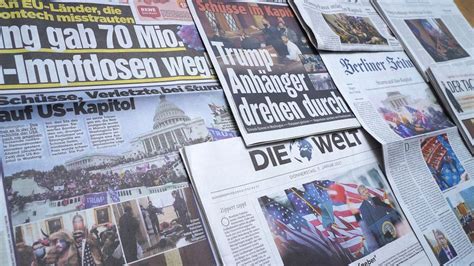
Understanding ‘Nachrichten’: German News ExplainedNachrichten! Guys, have you ever stumbled upon this German word and wondered, “
What in the world does
‘Nachrichten’
mean?
” Well, you’re in luck because today we’re going to unravel the mystery behind this incredibly common and crucial German term. It’s not just about a simple translation; it’s about understanding a core part of daily German life and communication. While many of you might immediately think of
news
, and you wouldn’t be wrong, the word
Nachrichten
carries a bit more nuance and weight in German culture than its English counterpart sometimes does. It encompasses everything from the latest political headlines to important local updates, weather forecasts, and even personal messages. It’s literally the heartbeat of informed society, acting as the primary channel through which people stay connected to what’s happening around them, both domestically and internationally. Think about it: every morning, millions of Germans tune into their favorite news channels or pick up their newspapers to get their daily dose of
Nachrichten
. This isn’t just a casual glance; it’s often a deep dive into the political, economic, and social fabric of their world. So, when we talk about
Nachrichten
, we’re talking about a fundamental pillar of how Germans engage with their society, form opinions, and participate in civic life. It’s the information that shapes perspectives, sparks discussions, and informs decisions, from the dinner table to the Bundestag. Whether it’s a critical report on a new government policy, an update on global events, or even just sports scores,
Nachrichten
are integral. Our goal here is to give you not just the definition, but a real sense of its importance and how you, too, can navigate the world of German news like a local. So, buckle up, because we’re about to explore the fascinating world of German
Nachrichten
!## Diving Deep: What Does “Nachrichten” Truly Mean?Alright, let’s get down to the nitty-gritty, guys. The word
Nachrichten
is much more than just a quick translation; it’s a concept deeply ingrained in the German language and its daily rhythm. At its most basic, literal level,
Nachrichten
means
“messages”
or
“reports.”
You see, the singular form is
die Nachricht
, which translates directly to
“a message”
or
“a piece of news.”
So, when you hear
Nachrichten
(which is always plural in this context, even if referring to a collection of individual news items), you’re essentially talking about
multiple pieces of information
or
a collection of reports
. It’s this plurality that really sets the stage for its primary usage: the daily news broadcast, the newspaper, or the online news portal. It’s not just a single piece of information, but a comprehensive package designed to keep citizens informed.Now, let’s talk about the etymology for a hot second because it’s pretty cool. The word comes from the verb
nachrichten
, which itself means “to inform” or “to direct.” This historical root gives you a clue about its inherent purpose: to provide direction and information to people. It’s about bringing current events and important updates
to
you. This is why
Nachrichten
often carries a more formal, serious, and authoritative tone than, say, the more informal
Neuigkeiten
(which means “news” but often refers to lighter, more personal updates or novelties, like
“What’s new with you?”
). When Germans talk about
Nachrichten
, they’re almost always referring to the substantial, factual reports that inform public discourse.This emphasis on factual and objective reporting is a cornerstone of German journalism, especially within public broadcasters. They strive to deliver unbiased information, allowing citizens to form their own opinions. Therefore, the consumption of
Nachrichten
is seen as a civic duty, a way to be an engaged and responsible member of society. It’s not just about entertainment; it’s about understanding the world. This is why you’ll find
Nachrichten
segments in every major public and private broadcaster, from the flagship
Tagesschau
on ARD to the
Heute Journal
on ZDF, and countless other formats. Each one aims to deliver a curated collection of the most significant events, presented in a clear, concise, and often serious manner. Understanding this distinction is key to truly grasping the weight and importance of
Nachrichten
in everyday German life. It’s truly a cornerstone of
German communication
and
public knowledge
, shaping opinions and driving conversations across the country. So, the next time you hear
Nachrichten
, remember it’s not just a word; it’s a vital connection to the world, delivered with purpose and precision.## The Landscape of German Nachrichten: Where Do Germans Get Their News?So, you’re curious about where Germans actually get their daily dose of
Nachrichten
, huh? Well, just like in many other developed nations, the landscape is diverse, blending traditional media with the ever-expanding digital world. But there are some nuances that make the German
Nachrichten
consumption unique, especially the strong emphasis on
public broadcasting
and a generally high trust in established media outlets. Understanding these sources is crucial for anyone trying to get a grasp on German current affairs.The big players in German
Nachrichten
are undeniably the public broadcasters:
ARD
and
ZDF
. These aren’t commercial entities; they’re funded by a mandatory household fee (the
Rundfunkbeitrag
) and are legally obligated to provide comprehensive, objective, and high-quality programming, including extensive news coverage. Their flagship news programs are practically institutions.
ARD’s
Tagesschau
, which airs daily at 8 PM, is arguably the most watched and respected news broadcast in Germany. It’s known for its concise reporting, no-frills presentation, and authoritative tone. Seriously, guys, when a German says they got their
Nachrichten
from the
Tagesschau
, it carries a lot of weight. Similarly,
ZDF’s
Heute Journal
offers a more in-depth, analytical look at the day’s events, often featuring interviews and background reports. These programs are not just for the older generation; many younger Germans also tune in, particularly for major events or late-night analyses. Beyond TV, these public broadcasters also have extensive radio networks and increasingly popular online presences, ensuring their
Nachrichten
reach every corner of the country.But it’s not all public service, of course. Private broadcasters like
RTL
and
Sat.1
also offer their own
Nachrichten
programs, though often with a slightly different focus, sometimes incorporating more entertainment or a more sensationalist approach to attract viewers. Then we have the print media, which, despite the digital shift, still holds significant sway. Major national newspapers like the
Süddeutsche Zeitung
,
Frankfurter Allgemeine Zeitung
(FAZ), and
Die Zeit
are highly respected for their in-depth analysis and quality journalism. They cater to different political and intellectual segments, but all provide serious
Nachrichten
coverage. For those who prefer a more tabloid-style or populist approach,
Bild
newspaper is the undisputed market leader, known for its punchy headlines and often controversial content.While print subscriptions are declining, these outlets have made strong transitions to the digital sphere. Online portals like
Spiegel Online
(now simply
Spiegel.de
),
Focus Online
, and the online editions of the major newspapers are incredibly popular. They provide real-time updates, multimedia content, and often offer a mix of free and premium (paywall)
Nachrichten
content. Social media platforms also play a role, with news organizations actively sharing their
Nachrichten
and engaging with audiences, though Germans are often critical of relying solely on social media for serious news.The sheer variety means that Germans have a plethora of options for consuming
Nachrichten
, allowing them to cross-reference information and get a well-rounded view of events. This cultural expectation of being well-informed truly makes the German
Nachrichten
landscape a robust and engaging one, providing continuous updates on both local and global events.### Traditional Media: TV and RadioWhen we talk about the bedrock of German
Nachrichten
consumption, especially for established and widely trusted information, we absolutely have to start with traditional media: television and radio. These mediums have shaped generations of Germans’ understanding of current events, and even in our digital age, they remain incredibly influential. It’s like, these are the original influencers, if you will, but with a much higher bar for factual accuracy and journalistic integrity. The two titans in this arena are the public broadcasters:
ARD
and
ZDF
. They are not merely commercial channels; they are cornerstones of public service, funded by a household fee (the
Rundfunkbeitrag
) that ensures their independence from political and commercial pressures. This unique funding model allows them to prioritize quality, in-depth
Nachrichten
over pure ratings or advertising revenue, a fact that contributes significantly to their high levels of public trust.Let’s zoom in on
ARD’s
Tagesschau
. This program, broadcast daily at 8 PM, is a national institution. I mean, seriously, guys, it’s not just a news show; it’s practically a ritual for many German households. Its format is distinctive: a serious, often stoic presenter delivers the day’s top stories without much fanfare, usually from a studio with a simple backdrop. The focus is purely on the information: concise, factual, and to the point. There’s no dramatic music or sensationalist headlines; it’s just the
Nachrichten
, plain and simple. This straightforward approach is precisely why it’s so trusted. People know they’re getting the unvarnished truth, or at least the most objective presentation of it possible. The
Tagesschau
covers everything from domestic politics and economic developments to major international crises and cultural news. Its influence is immense, often setting the agenda for discussions the following day.Then there’s
ZDF’s
Heute Journal
. Airing later in the evening, this program offers a more analytical and in-depth approach to the day’s
Nachrichten
. While
Tagesschau
gives you the headlines and key facts,
Heute Journal
delves deeper, providing background context, expert interviews, and longer reports on selected topics. It’s perfect for those who want to understand
why
something is happening, not just
what
is happening. The presenters, like Marietta Slomka or Christian Sievers, are often seen as authoritative figures, guiding viewers through complex issues with clarity and insight. Both
Tagesschau
and
Heute Journal
embody the German commitment to informed citizenry. They are designed not just to entertain but to educate, providing the essential
Nachrichten
needed for active participation in a democratic society.Beyond these flagship TV programs, both ARD and ZDF operate extensive radio networks across Germany. Each regional public broadcaster (like WDR, BR, SWR, NDR, etc., all part of the ARD consortium) has its own robust
Nachrichten
departments, delivering local, regional, national, and international news around the clock. Radio remains an important source of quick updates, especially for commuters or people working in trades. It offers immediate access to breaking
Nachrichten
and traffic reports, making it an indispensable part of daily life for millions. Even private radio stations carry news bulletins, though their focus might be more on entertainment and lighter stories. The consistency and widespread availability of
Nachrichten
through these traditional channels mean that comprehensive news coverage is never far away for any German citizen. These channels are not just delivering information; they are upholding a standard of journalistic excellence that many Germans expect and rely upon for their daily dose of crucial updates.### Print and Digital News: Newspapers and Online PortalsWhile TV and radio lay a solid foundation for German
Nachrichten
consumption, the world of print and, increasingly, digital news offers an even deeper and more diverse landscape for staying informed. For many, a morning without a newspaper (or at least a quick scroll through an online news app) just doesn’t feel right. This segment of the
Nachrichten
world is where you’ll find more specialized reporting, in-depth analyses, and a broader spectrum of editorial viewpoints. It’s also where the battle for attention is fiercest, as traditional publishers grapple with the speed and accessibility of the internet.When we talk about traditional print media, Germany boasts a vibrant array of newspapers that have shaped public discourse for decades. On the more serious, quality journalism side, you have titans like the
Süddeutsche Zeitung
(from Munich), known for its liberal-leaning, intellectual approach and strong investigative reporting. Then there’s the
Frankfurter Allgemeine Zeitung (FAZ)
, a conservative broadsheet renowned for its rigorous analysis and comprehensive coverage, particularly in economics and politics. The weekly newspaper
Die Zeit
(literally, “The Time”) offers incredibly detailed background articles and commentary, often taking a more philosophical approach to current events. These papers are not just delivering
Nachrichten
; they’re providing context, different perspectives, and often shaping intellectual debates. They are read by politicians, business leaders, academics, and anyone seeking a profound understanding of complex issues. For many, subscribing to one of these papers, whether in print or digital, is a statement of intellectual engagement and a commitment to informed citizenship.However, it’s impossible to discuss German print
Nachrichten
without mentioning
Bild
. This is Germany’s largest tabloid newspaper, infamous for its sensationalist headlines, large pictures, and often provocative reporting. While it’s frequently criticized by more serious journalists, its influence on public opinion is undeniable due to its massive circulation.
Bild
often simplifies complex
Nachrichten
and focuses on human-interest stories, celebrity gossip, and strong opinions, appealing to a different, often broader, segment of the population. It’s a prime example of how
Nachrichten
can be presented in wildly different styles within the same country.Now, let’s talk digital, because this is where the action increasingly is for many Germans, especially the younger generations. The major print publishers have made significant investments in their online presence, recognizing that their readers demand instant access to
Nachrichten
.
Spiegel Online
(now often just
Spiegel.de
) was one of the pioneers in this space and remains one of Germany’s most visited news portals. It offers a vast amount of free content, breaking
Nachrichten
alerts, and in-depth articles that mirror the quality of its print magazine counterpart (
Der Spiegel
). Similarly,
FAZ.net
,
Sueddeutsche.de
, and
Zeit.de
all provide extensive digital
Nachrichten
platforms, often with a mix of free articles and premium content behind a paywall (digital subscriptions are becoming increasingly common).Other purely digital news outlets and aggregators have also emerged, like
Focus Online
, offering a more dynamic and often visually rich presentation of
Nachrichten
. These platforms leverage multimedia elements, interactive graphics, and user comments to create a more engaging experience. Mobile apps for these news organizations are incredibly popular, allowing Germans to get instant
Nachrichten
updates directly on their smartphones, whether they’re commuting, waiting in line, or just having a quick coffee break. The shift to digital has made
Nachrichten
more accessible than ever, ensuring that Germans can stay abreast of events the moment they unfold, combining the depth of traditional journalism with the speed of the internet. This blend of traditional and digital sources ensures a rich and continuous flow of information, empowering citizens to be truly informed.## Why Nachrichten Matters: The Importance of Staying Informed in GermanyAlright, let’s get real, guys. In Germany, staying informed, consuming your daily dose of
Nachrichten
, isn’t just a casual pastime; it’s practically a civic duty. There’s a deeply ingrained cultural value placed on being an
informed citizen
, and this is precisely why
Nachrichten
matters so profoundly in German society. It’s not just about knowing what’s happening; it’s about being able to engage in meaningful political discourse, understand the intricate workings of the economy, and contribute thoughtfully to the community. This emphasis stems partly from Germany’s historical experiences, particularly the lessons learned from the past century, which fostered a strong commitment to democratic values, transparency, and an active, critical public.The continuous flow of
Nachrichten
acts as the lifeblood of German democracy. Citizens are expected to be aware of government policies, electoral debates, and the actions of their elected representatives. This isn’t just a passive reception of information; it’s about forming
informed opinions
, challenging decisions when necessary, and participating in the democratic process, whether through voting, discussions, or even protests. Public broadcasters, as we discussed, play a crucial role here, being legally mandated to provide objective and comprehensive
Nachrichten
that educate rather than simply entertain. This allows citizens to scrutinize political narratives, differentiate between facts and opinions, and make sound judgments during elections. Without reliable
Nachrichten
, the very foundation of this engaged citizenry would crumble, leaving people susceptible to misinformation and manipulation.Moreover,
Nachrichten
in Germany isn’t just about high politics. It’s also vital for understanding economic trends that impact personal finances and the national outlook. Reports on inflation, employment rates, trade agreements, or the performance of key industries are regularly consumed by a broad audience. This economic literacy, fostered by accessible
Nachrichten
, empowers individuals to make better financial decisions and to comprehend the broader forces shaping their lives. Similarly, cultural and social
Nachrichten
also hold a significant place, covering everything from new art exhibitions and scientific breakthroughs to debates on social justice issues and environmental concerns. These reports contribute to a shared cultural understanding and foster a sense of collective identity and responsibility.The importance of
Nachrichten
extends beyond national borders too. Germans are generally very interested in international affairs, understanding that events globally can have direct impacts at home. Major international news, whether it’s a conflict in Eastern Europe, an economic crisis in Asia, or climate change negotiations, are regularly featured prominently in German
Nachrichten
broadcasts and publications. This global perspective helps foster a more nuanced understanding of complex geopolitical dynamics and Germany’s place within them. It encourages empathy and a broader world view, essential for a country that is deeply integrated into the European Union and global markets.In essence,
Nachrichten
in Germany serves as a collective mirror, reflecting society’s challenges, triumphs, and ongoing debates. It’s the essential tool that enables individuals to be active participants in their communities, their nation, and the world. By staying informed through diverse and credible
Nachrichten
sources, Germans uphold a tradition of critical thinking and civic engagement that is vital for a healthy, functioning democracy. So, next time you hear a German talking about their
Nachrichten
, know that it’s more than just idle chatter; it’s a fundamental part of their commitment to a well-informed and robust society.## Navigating Nachrichten: Tips for Non-German Speakers to Understand German NewsAlright, my friends, if you’re a non-German speaker but want to dive into the world of German
Nachrichten
, don’t feel intimidated! It’s actually a fantastic way to improve your German language skills, learn about German culture, and stay informed about a major European player. It might seem daunting at first, with all those long words and formal structures, but I’ve got some solid tips to help you navigate the German news landscape like a pro. Think of it as an exciting challenge that will pay off big time in your language journey and your understanding of the world.First things first:
start with simpler news formats
. Don’t jump straight into a
Frankfurter Allgemeine Zeitung
editorial on economic policy if you’re just beginning. Instead, look for
Nachrichten
specifically designed for language learners or those with limited German proficiency. Many public broadcasters offer simplified news programs. For example,
Nachrichten leicht verständlich
(News easily understandable) or similar formats often provide slower speech, clearer vocabulary, and sometimes even transcripts. These are absolute gold mines, guys! They allow you to grasp the core message without getting bogged down in complex grammar or obscure terms. Websites like
Nachrichtenleicht.de
are specifically designed for this purpose, offering daily news in simplified German.Next up,
leverage visual aids
. Television
Nachrichten
can be incredibly helpful because you have the advantage of seeing what’s being discussed. Watch
Tagesschau
or
Heute Journal
not just for the words, but for the images, maps, and graphics. Often, you can infer a lot of the context just from the visuals, even if you don’t catch every single word. Pay attention to body language and tone as well; these non-verbal cues can give you clues about the severity or nature of the
Nachrichten
being delivered. Many of these broadcasts are available online on demand, so you can rewatch segments or pause to look up words.Don’t be afraid to
use translation tools sparingly, but wisely
. Google Translate or DeepL can be your best friends for quickly understanding a tricky headline or a complex sentence. However, don’t rely on them for entire articles, as context can sometimes be lost. Instead, use them to clarify specific words or phrases that are blocking your understanding. A better approach might be to use browser extensions that allow you to hover over a German word and get an instant translation, helping you build your vocabulary organically. Try to read an article first without any tools, then go back and look up the words you didn’t understand.Building your
vocabulary related to politics, economics, and current events
is paramount. German
Nachrichten
often uses specific jargon for these topics. Create flashcards or use apps to learn common terms related to government, elections, finance, and international relations. The more you familiarize yourself with these key terms, the easier it will be to understand the gist of any
Nachrichten
report. Also, focus on recognizing common journalistic phrases and sentence structures; German news tends to be quite formal, but patterns emerge quickly.Finally,
be consistent and patient
. Understanding
Nachrichten
in a foreign language is a marathon, not a sprint. Try to dedicate a little bit of time each day to consuming German news. Even just reading headlines or watching a short segment can make a difference. Don’t get discouraged if you don’t understand everything initially. Every word you learn, every sentence structure you recognize, is a step forward. Over time, you’ll be amazed at how much your comprehension improves. And remember, the goal isn’t necessarily to become a perfect translator, but to grasp the main ideas and stay informed. By following these tips, you’ll not only master
Nachrichten
but also significantly boost your overall German proficiency and cultural awareness!## Beyond “Nachrichten”: Related German Words and ConceptsSo, we’ve gone pretty deep into
Nachrichten
, understanding it as the primary term for
