Uncover The Current Islamic Month Now!When we talk about calendars, most of us in the West are pretty used to the Gregorian one, right? January, February, March – you know the drill. But for
millions of Muslims worldwide
, there’s another incredibly significant system at play: the
Islamic calendar
, also known as the
Hijri calendar
. It’s a lunar calendar, which means it follows the cycles of the moon, and it’s totally different from the solar calendar we usually rely on. This often leads to a common question:
“What Islamic month is it right now?”
Or, as some of you might be wondering, “
Iihari ini bulan apa dalam Islam?
” Trust me, guys, you’re not alone in asking! Understanding the
current Islamic month
is super important for many reasons, from religious observance to cultural celebrations, and it connects Muslims globally. Unlike the fixed dates of the Gregorian calendar, the Islamic months shift each year relative to the solar calendar, making it a dynamic and ever-changing system. This article is your ultimate guide to understanding the
Islamic calendar
, learning about its unique characteristics, and most importantly, helping you easily figure out what
Islamic month
we are currently in. We’ll dive deep into its history, explore each of its twelve sacred months, and give you practical tips on how to always stay updated. So, buckle up, because we’re about to embark on an awesome journey through time, faith, and lunar cycles! Knowing the
current Islamic month
isn’t just about dates; it’s about understanding a rhythm of life that has guided communities for over 1400 years. It influences everything from daily prayers and annual fasts to major pilgrimages and joyous festivals. So, whether you’re a Muslim looking to deepen your understanding or simply curious about this fascinating system, you’re in the right place. We’ll make sure you walk away with a clear picture and the tools you need to answer that pressing question whenever it pops up:
“What Islamic month is it today?”
Let’s get started, friends, and unravel the mysteries of the
Hijri calendar
together. It’s a journey worth taking, full of rich history and profound spiritual significance. You’ll soon see that staying updated with the
current Islamic month
is not as daunting as it might seem!## Understanding the
Hijri Calendar
: A Unique Journey Through TimeAlright, let’s kick things off by really getting to grips with the heart of our discussion: the
Hijri calendar
. This isn’t just any old calendar, guys; it’s a profoundly significant system for Muslims all over the world. The
Hijri calendar
, often simply called the
Islamic calendar
, literally began its journey with one of the most pivotal moments in Islamic history: the
Hijra
. What’s the Hijra, you ask? It’s the migration of Prophet Muhammad (peace be upon him) and his companions from Mecca to Medina in 622 CE. This event was so monumental, marking the establishment of the first Muslim community, that it was chosen as the starting point for this unique calendar. So, when you see a date like 1445 AH, the ‘AH’ stands for
‘Anno Hegirae’
(Latin for ‘in the year of the Hijra’), signifying how many years have passed since that incredible journey.The most defining characteristic of the
Islamic calendar
is that it’s a
lunar calendar
. Now, this is where it really differs from the Gregorian calendar you’re probably used to, which is a solar calendar. A solar calendar tracks the Earth’s orbit around the sun, giving us roughly 365 days in a year. A
lunar calendar
, on the other hand, follows the phases of the moon. Each
Islamic month
begins with the sighting of the new crescent moon (the
hilal
), usually after sunset. Because a lunar cycle is about 29.5 days,
Islamic months
alternate between 29 and 30 days. This means a full
Hijri year
is typically 354 or 355 days long – that’s about 10 to 11 days shorter than a Gregorian year!This difference in length is super important, guys, because it explains why
Islamic months
don’t stay in the same season each year. Over time,
Islamic holidays
and events, like Ramadan or Eid, will gradually shift through all the seasons. One year, Ramadan might be in the summer, and a decade later, it could be in the winter. This constantly moving cycle adds a unique dimension to Muslim life, ensuring that religious duties and celebrations are experienced under various conditions throughout a Muslim’s lifetime. It’s a beautiful way to connect with the
rhythm of nature
and the divine order. Understanding this fundamental aspect of the
Hijri calendar
is key to appreciating its spiritual depth and practicality. Each month carries its own significance, its own blessings, and its own historical markers, all tied to the celestial dance of the moon. So, when someone asks you about the
current Islamic month
, you’ll know it’s part of a much larger, ancient, and deeply meaningful system that has guided generations of Muslims through their spiritual journeys and everyday lives. It’s a reminder of continuity, faith, and the unique way Islam connects with the natural world. This historical and scientific foundation truly sets the stage for understanding why knowing the
current Islamic month
is such a crucial piece of information for millions of people globally.## The Twelve
Sacred Months
of Islam: More Than Just DatesAlright, friends, let’s dive deeper into the heart of the
Hijri calendar
by exploring its twelve incredible months. Each
Islamic month
carries its own unique significance, history, and spiritual lessons. These aren’t just names; they are chapters in the annual cycle of Muslim life, full of opportunities for reflection, worship, and celebration. Knowing the
current Islamic month
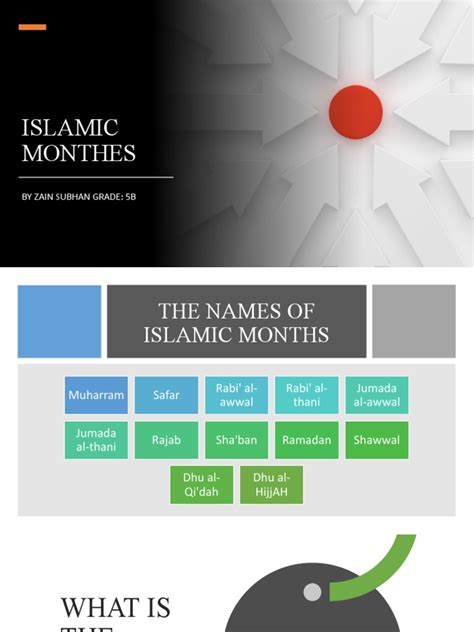
means understanding which chapter we’re in and what blessings and practices are associated with it.Here they are, the twelve
sacred months
, in order, along with a little insight into each:1.
Muharram
: This is the very first month of the
Islamic calendar
, kicking off the New Year! It’s one of the four sacred months in Islam, where warfare is forbidden. The 10th day of Muharram, known as
Ashura
, is particularly significant. Many Muslims observe a voluntary fast on this day, remembering the salvation of Prophet Musa (Moses) from Pharaoh and commemorating the martyrdom of Imam Hussain (RA), the grandson of Prophet Muhammad (peace be upon him). It’s a time for reflection, repentance, and starting the new year with good deeds. The emphasis is on peace and spiritual growth.2.
Safar
: The second month, Safar, is sometimes associated with negative superstitions, but in Islam, all days and months are blessed. It’s a time to dispel such beliefs and focus on relying on Allah. Muslims are encouraged to increase acts of worship and charity during this month, countering any unfounded fears and reinforcing their faith. It’s a reminder that true blessing comes from Allah alone.3.
Rabi’ al-Awwal
: This month holds immense joy for many Muslims as it’s believed to be the month when Prophet Muhammad (peace be upon him) was born. While there isn’t a universally agreed-upon exact date, the celebration of
Mawlid
(the Prophet’s birthday) often takes place during
Rabi’ al-Awwal
. It’s a time for showing love and respect for the Prophet, learning about his life, and striving to emulate his noble character. Many communities hold gatherings to recount his biography and praise Allah for His mercy in sending such a perfect guide.4.
Rabi’ al-Thani (or Rabi’ al-Akhir)
: Following the joyous
Rabi’ al-Awwal
, this month doesn’t have specific major events but serves as a period for continued devotion and daily acts of worship. It’s a time to maintain the spiritual momentum gained from the previous month and strengthen one’s relationship with Allah through consistent good deeds.5.
Jumada al-Ula (or Jumada al-Awwal)
: This is the fifth month, and its name relates to the freezing or parched land, reflecting the season it might have fallen in during pre-Islamic Arabia. Spiritually, it’s another month for sustained devotion and preparation for the more prominent months ahead. It reminds us that every month offers a chance for spiritual progress.6.
Jumada al-Thaniyah (or Jumada al-Akhirah)
: The sixth month, similar to its predecessor, is a period for regular worship and seeking proximity to Allah. Historically, it is noted for the passing of Fatima az-Zahra, the beloved daughter of Prophet Muhammad (peace be upon him), for many Shia Muslims. It encourages reflection on the lives of noble figures and their sacrifices.7.
Rajab
: This is another one of the four sacred months, a truly blessed time! It’s often seen as a precursor to Ramadan, a month for increasing prayers and asking for forgiveness. A hugely significant event,
Al-Isra’ wal-Mi’raj
(the Night Journey and Ascension of Prophet Muhammad), is traditionally observed in this month. It’s a miraculous journey that signifies the Prophet’s spiritual elevation and Allah’s immense power, inspiring believers to strive for higher spiritual planes.8.
Sha’ban
: This month serves as a crucial bridge to Ramadan. Prophet Muhammad (peace be upon him) was known to fast frequently in Sha’ban, more than any other month outside of Ramadan, preparing himself physically and spiritually. The 15th night of Sha’ban (
Laylat al-Bara’ah
) is often observed by many Muslims with extra prayers and supplications, seeking Allah’s forgiveness and blessings before the blessed month of fasting begins. It’s a time for getting your mind and body ready for the intense worship of Ramadan.9.
Ramadan
: Ah,
Ramadan
! This is arguably the most famous and holiest month in Islam. It’s the month of obligatory fasting from dawn until sunset for all able-bodied Muslims. It’s a time of intense spiritual reflection, increased prayer, reading the Quran, charity, and self-discipline.
Laylat al-Qadr
(the Night of Power), considered better than a thousand months, falls within its last ten nights.
Ramadan
is a month of immense blessings, forgiveness, and spiritual renewal, a period of deep connection with Allah.10.
Shawwal
: The first day of
Shawwal
marks the joyous occasion of
Eid al-Fitr
, the Festival of Breaking the Fast, which celebrates the completion of Ramadan. After the communal prayers, Muslims visit family and friends, exchange gifts, and enjoy delicious food. It’s also recommended to fast six additional days in Shawwal, known as the ‘six white days’, to gain extra rewards. It’s a time for celebration and gratitude.11.
Dhu al-Qa’dah
: This is the eleventh month and another one of the four sacred months, where fighting is traditionally prohibited. It’s often a time of travel and preparation for Hajj, the annual pilgrimage. Many pilgrims begin their journey to Mecca during this month, making it a period of heightened anticipation and spiritual focus.12.
Dhu al-Hijjah
: The final month of the
Islamic calendar
is incredibly significant. It’s the month of
Hajj
, the annual pilgrimage to Mecca, which is a pillar of Islam. Millions of Muslims perform this sacred journey. The first ten days of
Dhu al-Hijjah
are considered particularly virtuous, with increased acts of worship highly encouraged. The 10th day marks
Eid al-Adha
, the Festival of Sacrifice, commemorating Prophet Ibrahim’s (Abraham’s) willingness to sacrifice his son. Muslims worldwide sacrifice an animal and distribute the meat to the poor, family, and friends.This journey through the twelve
Islamic months
truly highlights their profound spiritual and historical importance. Each one offers unique opportunities for growth, remembrance, and community connection. Knowing the
current Islamic month
isn’t just about marking dates; it’s about being aware of the spiritual rhythm of the year and seizing the blessings each month brings. It’s a beautiful cycle, full of opportunities to draw closer to Allah and follow the path of His beloved Prophet.## How to Easily
Find the Current Islamic Month
: Your Go-To GuideAlright, guys, now that we’ve explored the deep spiritual significance of each
Islamic month
, let’s get practical! You might be thinking,
