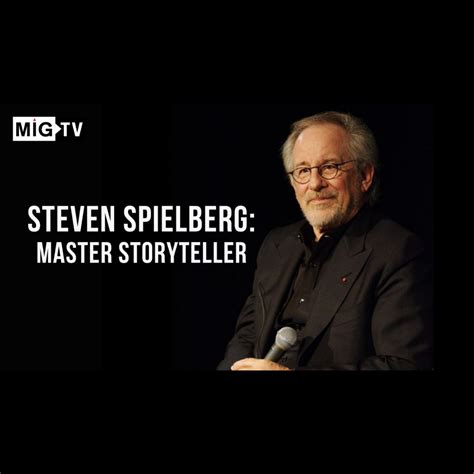
Steven Spielberg: Master Storyteller, Iconic Director Steven Spielberg.
What a legend
, right, guys? When you hear that name, you probably picture thrilling adventures, heartwarming tales, or historical dramas that leave you absolutely speechless. That’s because
Steven Spielberg
isn’t just a director; he’s a true cinematic wizard, a master storyteller who has shaped modern filmmaking and touched the hearts and minds of billions across the globe. From terrifying sharks to friendly aliens, and from groundbreaking dinosaurs to poignant historical figures, his films have consistently redefined what’s possible on the big screen. We’re talking about a guy whose work spans decades, influencing countless filmmakers and entertaining generations of moviegoers. His unique ability to blend spectacular visuals with deeply emotional narratives is what truly sets him apart. He knows how to craft a story that pulls you in, makes you feel, makes you think, and ultimately, leaves a lasting impression. So, if you’ve ever wondered about the genius behind some of your favorite films, or how one person could possibly have such a profound impact on an entire industry, then you’re in the right place. We’re going to dive deep into the incredible journey of
Steven Spielberg
, exploring his remarkable career, his most iconic films, and the enduring legacy of a man who truly understands the magic of movies. Get ready, because it’s going to be an epic ride through cinematic history! We’re talking about someone who not only crafts incredible narratives but also pushes the boundaries of technology and visual effects to bring those stories to life in ways we never thought possible. His influence is so pervasive that it’s almost impossible to talk about modern cinema without mentioning his name multiple times. He’s not just a director; he’s a visionary, an innovator, and a constant source of inspiration for aspiring filmmakers everywhere. This article aims to give you a comprehensive look at the man, the myth, the legend himself, showing you exactly why he remains at the pinnacle of the film industry even after all these years. So, buckle up and prepare to be amazed by the sheer scope and brilliance of
Steven Spielberg
’s career. His work truly speaks for itself, but understanding the journey behind the masterpieces makes them even more incredible, don’t you think? It’s time to explore the man who redefined what a movie could be. ## The Early Spark: Spielberg’s Genesis and Early Career Let’s kick things off by looking at the
early life and career
of
Steven Spielberg
, because trust me, his journey into filmmaking is just as fascinating as his movies! Born in Cincinnati, Ohio, in 1946, Steven grew up with a camera practically glued to his hand. Even as a kid, he was obsessed with telling stories through film. His dad, an electrical engineer, was a big influence, exposing him to science and technology, which later played a huge role in his special effects innovations. But it was his mom, a concert pianist, who encouraged his artistic side and his vivid imagination. From a young age,
Steven Spielberg
was making short films with his friends and family in Phoenix, Arizona, where he spent most of his childhood. He’d direct these amateur epics, often using his toy trains or staging war scenes with his buddies, all while experimenting with camera angles and storytelling techniques. He even made a full-length, albeit low-budget, science fiction adventure film called “Firelight” when he was just 16 years old, which actually screened in a local theater and earned him a small profit! This early passion for
filmmaking
was more than just a hobby; it was a deep-seated calling. After briefly attending California State University, Long Beach, Spielberg dropped out to pursue his dreams more directly. He managed to snag an unpaid internship at Universal Studios, which was a huge break for a kid with no formal film school training. This was where he really started to learn the ropes of the industry, observing seasoned professionals and soaking up every bit of knowledge he could. His big break came in 1968 with a short film called “Amblin’,” a word you’ll recognize if you’re familiar with his production company, Amblin Entertainment. This short caught the attention of Universal executives, leading to a seven-year directing contract – an unprecedented move for someone so young and relatively unproven! This contract opened the door for
Steven Spielberg
to direct TV episodes, including segments for popular shows like “Night Gallery” and “Columbo.” It was on these television sets that he honed his craft, learning how to manage tight schedules and budgets while still delivering captivating visuals and compelling narratives. His work on TV demonstrated his incredible talent for building suspense and character, even within the confines of a weekly series. This period was absolutely crucial for his development as a director, giving him the practical experience and confidence he needed to tackle bigger projects. It truly laid the foundation for the cinematic masterpieces that would follow, showcasing the nascent genius of
Steven Spielberg
long before he became a household name. He was a sponge, absorbing everything, and turning every opportunity into a learning experience, setting the stage for his eventual domination of Hollywood. ## Blockbuster Innovator: Jaws and the Summer Spectacle If we’re talking about
Steven Spielberg
and his immense impact, we absolutely have to talk about
Jaws
. This film didn’t just become a huge hit; it fundamentally changed the movie industry forever. Released in 1975,
Jaws
basically invented the concept of the “summer blockbuster.” Before
Jaws
, studios would release their big films around Christmas. But Spielberg, along with Universal Pictures, took a risk, releasing this terrifying shark thriller in the middle of summer. And boy, did it pay off! People flocked to theaters, and the film shattered box office records, becoming the highest-grossing film of all time until
Star Wars
came along. The success of
Jaws
wasn’t just about its impressive box office numbers; it was about how it captivated audiences with its masterful suspense and visceral thrills. Spielberg’s ingenious decision to
show less of the shark
(partly due to mechanical shark issues) actually made it
more
terrifying. The fear of the unknown, the iconic two-note score by John Williams – it all combined to create an unforgettable cinematic experience. It taught Hollywood that a well-marketed, high-concept film could dominate the summer season, leading to the blockbuster model we still see today. Guys, imagine the sheer nerve to create a monster movie that relies more on suggestion and sound than on outright gore. That’s the
Steven Spielberg
touch right there. After
Jaws
,
Steven Spielberg
didn’t rest on his laurels. He continued to push boundaries and explore new genres. In 1977, he gave us
Close Encounters of the Third Kind
, a visually stunning and emotionally rich science fiction film that explored humanity’s first contact with extraterrestrial life. This film showcased a more optimistic and wondrous side of his sci-fi vision, contrasting sharply with the horror of
Jaws
. It was another massive success, cementing his reputation as a director who could deliver both spectacle and soul. Then came the 1980s, and with it, another iconic collaboration with George Lucas:
Raiders of the Lost Ark
(1981). This film introduced the world to Indiana Jones, a character who perfectly embodied the adventurous spirit and thrill-seeking fun that audiences craved.
Raiders
was a throwback to classic serial adventures, but with Spielberg’s modern filmmaking flair, incredible stunts, and unforgettable action sequences. It was pure cinematic joy, blending humor, excitement, and a touch of the supernatural. It proved that
Steven Spielberg
wasn’t just a one-hit wonder; he was a master of diverse genres, capable of creating compelling stories that transcended typical categories. These early blockbusters established
Steven Spielberg
as a force to be reckoned with, a director who knew how to entertain on a massive scale while still injecting his films with heart and intelligence. He was not only creating great movies but also literally rewriting the rules of the film industry, setting new standards for both creative ambition and commercial success. His work in this era showcased a director confident in his vision, capable of handling large-scale productions, and utterly committed to delivering an unforgettable experience to every single person in the audience. ## Touching Hearts and Minds: E.T. and Beyond If you thought
Steven Spielberg
was just about sharks and adventurers, think again! The 1980s saw him truly cement his reputation as a director with immense emotional depth, and nowhere is that more evident than with
E.T. the Extra-Terrestrial
. Released in 1982,
E.T.
wasn’t just a film; it was a global phenomenon, a cultural touchstone that resonated with audiences of all ages. This heartwarming story of a lonely boy, Elliott, and his unlikely friendship with an alien stranded on Earth, captured the innocence and wonder of childhood, combined with a profound message about empathy and connection.
E.T.
shattered box office records, once again becoming the highest-grossing film of all time, and earned Spielberg an Academy Award nomination for Best Director. It’s impossible to overstate the impact of
E.T.
. Its story of friendship, acceptance, and saying goodbye tugged at every single heartstring, making people laugh, cry, and believe in magic. It solidified
Steven Spielberg
’s ability to craft narratives that were not only visually spectacular but also deeply, profoundly human. He showed us that a blockbuster could also be an intimate, character-driven story that left you feeling a mix of joy and wistful nostalgia. The iconic image of E.T. and Elliott flying across the moon on a bicycle became one of cinema’s most enduring images, a testament to the film’s universal appeal. But
Steven Spielberg
wasn’t content to just repeat his successes. Throughout the 80s, he also ventured into more serious, dramatic territory, proving his versatility as a filmmaker. In 1985, he directed
The Color Purple
, an adaptation of Alice Walker’s Pulitzer Prize-winning novel. This film was a stark departure from his earlier works, tackling heavy themes of racism, sexism, and abuse in the early 20th-century American South. It was a powerful, poignant drama that garnered 11 Academy Award nominations, including Best Picture, and showcased Spielberg’s ability to handle incredibly sensitive material with grace and respect. Critics and audiences alike were amazed by his nuanced direction and the powerful performances he drew from his cast, marking a significant artistic turning point. Following that, in 1987, he brought us
Empire of the Sun
, another historical drama set during World War II, telling the story of a young British boy interned in a Japanese camp. This film was a visually stunning and emotionally complex tale of survival, loss of innocence, and the human spirit’s resilience amidst unimaginable hardship. It further demonstrated
Steven Spielberg
’s commitment to telling diverse stories, moving beyond pure entertainment to explore profound historical and emotional landscapes. These films, especially
E.T.
,
The Color Purple
, and
Empire of the Sun
, showed the world that
Steven Spielberg
was not just a master of spectacle, but also a masterful storyteller with a profound understanding of the human condition. He could make you gasp in awe, cheer with excitement, and weep with emotion, all within the span of a few years. His work during this period solidified his place as one of the most important and versatile directors in cinematic history, constantly pushing himself to explore new challenges and tell stories that truly mattered, leaving an indelible mark on both critics and audiences alike. ## The Spielberg Legacy: From Dinosaurs to Historical Dramas By the 1990s,
Steven Spielberg
was already a household name, but this decade saw him reach new heights of artistic and commercial success, solidifying his legacy in ways few directors ever achieve. This period began with a massive roar, literally, with
Jurassic Park
in 1993. Folks, this film wasn’t just a blockbuster; it was a technological marvel that once again redefined cinema. Using groundbreaking computer-generated imagery (CGI) alongside practical effects,
Jurassic Park
brought dinosaurs to life in a way no one had ever seen before. It was absolutely revolutionary, making you believe that these prehistoric creatures were truly walking the Earth. The film was a colossal hit, breaking box office records and captivating audiences with its thrilling adventure and awe-inspiring visuals. It ushered in a new era of special effects, demonstrating the immense potential of CGI to create entirely believable fantasy worlds.
Steven Spielberg
proved again that he could blend incredible spectacle with gripping storytelling, making
Jurassic Park
an instant classic and a cornerstone of his filmography. It perfectly balanced fear, wonder, and scientific curiosity, making it accessible and thrilling for everyone. Yet, in the very same year,
Steven Spielberg
delivered a film that was not only a complete tonal shift but also perhaps his most profound and important work:
Schindler’s List
. This powerful, black-and-white drama tells the harrowing true story of Oskar Schindler, a German businessman who saved over a thousand Jews during the Holocaust. Filmed with stark realism and immense emotional weight,
Schindler’s List
was a monumental artistic achievement. It forced audiences to confront one of the darkest chapters in human history, doing so with an unwavering commitment to authenticity and respect. The film earned
Steven Spielberg
his first Academy Awards for Best Director and Best Picture, a long-overdue recognition of his incredible dramatic talent. It wasn’t just a critical darling; it became a vital historical document, used in educational settings worldwide, underscoring
Steven Spielberg
’s unique ability to merge entertainment with profound social and historical importance. This film truly transcended entertainment, becoming a global teaching moment. He dedicated the proceeds from the film to the Shoah Foundation, an organization committed to recording testimonies of Holocaust survivors, further cementing the film’s humanitarian impact. It truly showcased the director’s ability to pivot from awe-inspiring blockbusters to deeply resonant human dramas. He was not merely telling a story; he was preserving history. Not long after, in 1998,
Steven Spielberg
tackled another devastating historical event with
Saving Private Ryan
. This World War II epic, particularly its brutal and visceral opening D-Day landing sequence, redefined how war was portrayed on screen. It was raw, unflinching, and incredibly realistic, plunging viewers directly into the chaos and horror of battle. The film won him his second Academy Award for Best Director and was hailed for its technical brilliance and emotional intensity. It paid tribute to the sacrifices made by soldiers and left an indelible mark on cinematic history, influencing countless war films that followed. These three films –
Jurassic Park
,
Schindler’s List
, and
Saving Private Ryan
– illustrate the incredible range and depth of
Steven Spielberg
’s talent in the 1990s. He proved he could dominate the box office with groundbreaking spectacle while simultaneously crafting deeply moving, historically significant dramas that earned him critical acclaim and cemented his place as one of the greatest filmmakers of all time. His legacy from this decade alone is astounding, showcasing a director who not only entertains but also educates, inspires, and challenges his audience to think and feel more deeply about the world around them. It was truly a period where
Steven Spielberg
demonstrated his unparalleled mastery of the craft, solidifying his status as an iconic director. ## The Ongoing Masterpiece: Spielberg’s Continued Influence and Future Even after decades of groundbreaking work,
Steven Spielberg
has shown no signs of slowing down. He continues to deliver thought-provoking and engaging films, constantly challenging himself and pushing the boundaries of storytelling. In the 21st century, his filmography remains as diverse and impactful as ever, proving that his creative well is far from dry. He’s continued to explore historical narratives with incredible precision and emotional weight, like in 2012’s
Lincoln
. This film offered a meticulous and deeply human portrait of Abraham Lincoln’s final months in office, focusing on his efforts to abolish slavery. Daniel Day-Lewis’s Oscar-winning performance, combined with Spielberg’s nuanced direction, made
Lincoln
a captivating and historically rich drama that earned critical praise and showcased his enduring ability to bring history to vivid life. It wasn’t just a biopic; it was a masterclass in political maneuvering and moral conviction. He demonstrated that even without explosive action sequences, a compelling narrative about human decisions can be utterly captivating. Following that,
Steven Spielberg
continued his foray into Cold War espionage with 2015’s
Bridge of Spies
, starring Tom Hanks. This film was a tense, intelligent thriller based on true events, showcasing his knack for intricate plotting and character-driven suspense. It was a reminder that he excels not only in big spectacles but also in smaller, more intimate stories that still carry immense historical weight. His careful direction and the strong performances created a taut, engaging cinematic experience that was both educational and incredibly thrilling. More recently, in 2021,
Steven Spielberg
took on a beloved classic with
West Side Story
. Reimagining such an iconic musical was a huge undertaking, but he brought his signature visual flair and emotional depth to the project, earning widespread critical acclaim and several Academy Award nominations. It demonstrated his willingness to tackle new challenges and inject fresh life into familiar material, proving that his artistic vision remains vibrant and relevant. And then, in 2022, he gave us
The Fabelmans
, a semi-autobiographical film that offered an intimate look into his own childhood and the formative experiences that shaped him as a filmmaker. This personal, reflective piece was a powerful and moving exploration of family, art, and the magic of movies. It was a heartfelt love letter to cinema and a rare glimpse into the mind of the man behind so many masterpieces, earning him more Oscar nominations and showing a vulnerability that resonated deeply with audiences. Beyond directing,
Steven Spielberg
is also a highly influential producer through his company, Amblin Entertainment. He’s been instrumental in bringing countless films and television shows to the screen, nurturing new talent and shaping the industry from behind the scenes. His production credits are immense, including classics like
Gremlins
,
Back to the Future
, and even the
Men in Black
series. His continued involvement in the industry, both as a director and a producer, means that his influence is still profoundly felt, guiding the next generation of storytellers and ensuring that his vision for compelling cinema lives on.
Steven Spielberg
’s career is truly an ongoing masterpiece, a testament to his unparalleled talent, adaptability, and unwavering passion for storytelling. He continues to inspire, entertain, and educate, cementing his legacy as a true titan of the film world, always pushing the boundaries of what’s possible on screen. ## Why Steven Spielberg Remains a Cinematic Giant So, guys, after diving into the incredible journey of
Steven Spielberg
, it’s pretty clear why he remains an undisputed
cinematic giant
and one of the most influential filmmakers of all time. His career is a breathtaking tapestry woven with thrilling adventures, profound historical dramas, heartwarming tales, and groundbreaking technological achievements. What truly sets
Steven Spielberg
apart is his unique ability to seamlessly blend epic spectacle with deeply personal, emotional storytelling. He can make you gasp at a terrifying shark, cheer for an adventurous archaeologist, weep for Holocaust victims, and feel a profound connection with an alien, sometimes all within the span of a few years, or even a single film! This range, this sheer versatility, is something very few directors in history have ever matched. He’s not just a master of one genre; he’s a master of
all
genres, capable of bending them to his will and leaving his distinctive mark on each. His films don’t just entertain; they often resonate on a much deeper level, sparking conversations, educating audiences, and sometimes even inspiring societal change. Think about the impact of
Schindler’s List
in bringing the history of the Holocaust to a global audience with such raw honesty and emotional power. Or the sheer joy and wonder that
E.T.
instilled in generations of viewers, reminding us all about the magic of friendship and imagination.
Steven Spielberg
’s knack for creating iconic images and moments is unparalleled. Who can forget the ominous dorsal fin of the shark in
Jaws
, Indiana Jones outrunning a giant boulder, the silhouette of a bicycle flying across the moon, or the awe-inspiring sight of dinosaurs in
Jurassic Park
? These are not just scenes; they are cultural touchstones, etched into our collective memory. His collaborations with brilliant artists like composer John Williams have created some of the most recognizable and beloved film scores in history, elevating his stories to another level of emotional impact. Furthermore, his pioneering spirit in adopting and advancing visual effects has continually pushed the boundaries of filmmaking. From the animatronics of
Jaws
to the revolutionary CGI of
Jurassic Park
,
Steven Spielberg
has consistently been at the forefront of technological innovation, always in service of the story. He understands that technology is a tool to enhance the narrative, not overshadow it, and this disciplined approach is a hallmark of his genius. He doesn’t just chase the latest fad; he innovates to tell his stories better. His influence extends far beyond his own directed films. As a producer through Amblin Entertainment, he has championed numerous projects and helped launch the careers of many other talented filmmakers. He’s a mentor, an innovator, and a tireless advocate for the power of cinema. In conclusion,
Steven Spielberg
is more than just a successful director; he is a visionary artist who has reshaped the landscape of modern cinema. His films transport us, challenge us, move us, and ultimately, remind us of the incredible power of storytelling. He truly is a
cinematic giant
, and his legacy will undoubtedly continue to inspire and entertain for generations to come. We’re lucky to live in an era where we can witness his ongoing contributions to the art of filmmaking. His commitment to quality, his unparalleled vision, and his deep understanding of what makes a story truly resonate with an audience ensures that his place in history is not just secure, but legendary.
