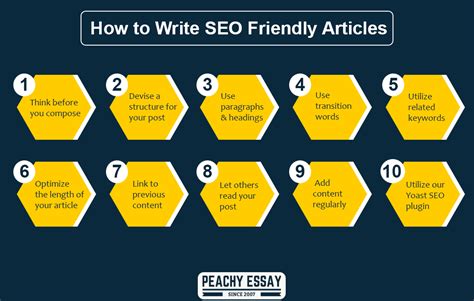
Mastering Article Formatting for SEO & Engagement Hey there, content creators and SEO enthusiasts! Ever wonder why some articles just
pop
off the page and instantly grab your attention, while others feel like a dense, unreadable wall of text? The secret, my friends, isn’t just about what you say, but
how you say it
– or rather,
how you present it
. Today, we’re diving deep into the often-underestimated world of
article formatting
. Trust me, once you master these techniques, you’ll not only see your content rank higher on search engines but also keep your readers absolutely hooked. We’re talking about making your articles
irresistible
to both algorithms and actual humans. So, let’s get into the nitty-gritty of making your content shine! ## Why Your Article’s Formatting
Really
Matters for SEO You might be thinking, “As long as my content is good, who cares about formatting?” Oh, but my awesome content-creating buddies,
formatting is a cornerstone of effective SEO and user experience
. It’s not just about aesthetics; it’s about making your content accessible, digestible, and enjoyable. When your article is well-formatted, search engines like Google can more easily understand its structure and main points, which helps with ranking. More importantly, a beautifully structured article drastically improves the
user experience
(UX). Think about it: when a user lands on your page, their first impression is visual. If they see a gigantic block of text, they’re likely to hit the back button faster than you can say “bounce rate.” A high bounce rate signals to search engines that your content might not be what users are looking for, which can negatively impact your rankings. On the flip side,
excellent formatting encourages readers to stay longer
, explore more of your content, and engage with your message. This increased
dwell time
and lower bounce rate are strong positive signals for search engines. Moreover, well-structured content with clear headings, bullet points, and bolded keywords makes it easier for Google to identify and pull out snippets for
featured snippets
and
rich results
. Imagine your article showing up as the direct answer at the top of a Google search – that’s the power of good formatting! It helps Google understand the hierarchy of your information, ensuring that the most important points are easily identifiable. So, guys, when you’re thinking about content, don’t just focus on the words; focus on the
presentation
. It’s a game-changer for both your readers and your SEO performance. A well-formatted piece isn’t just a pretty face; it’s a strategic tool that boosts readability, reduces cognitive load, and significantly enhances your chances of ranking higher and keeping visitors on your site longer. We’re talking about direct improvements to your site’s SEO health and overall user satisfaction, making your content truly stand out in a crowded digital landscape. It truly creates a more inviting and efficient experience for everyone involved. ## The Secret Sauce: Crafting Readable Paragraphs That Hook Your Readers Now that we’ve established
why
formatting is so crucial, let’s talk about the absolute core of your written content:
readable paragraphs
. This is where many content creators unintentionally lose their audience. Nobody wants to read a never-ending paragraph that feels like it’s trying to explain the entire universe in one go. The goal here is to create a seamless, engaging reading experience that keeps your audience moving from one idea to the next without feeling overwhelmed. First and foremost, aim for
brevity and focus
. Each paragraph, my friends, should ideally focus on
one main idea
. This single-idea approach helps readers digest information in manageable chunks. When you introduce a new concept or pivot to a different aspect of your topic, that’s your cue to start a new paragraph. This isn’t just about making your content look good; it’s about guiding your reader’s thought process. Short paragraphs, generally no more than 3-5 sentences, are your best friend. They break up the visual monotony and make the text appear less intimidating. Think of your paragraphs as bite-sized nuggets of information, easy to consume and understand. Longer paragraphs can be acceptable if the content absolutely demands it, but make sure they are rare exceptions, not the rule. The
opening sentence
of your paragraph is also incredibly important. This
topic sentence
should clearly state what the paragraph is about. It acts as a mini-headline for that specific chunk of text, allowing readers who are scanning your article to quickly grasp the essence of each section. This technique is particularly useful for busy readers who want to extract key information quickly. Imagine someone scrolling through your article; a strong topic sentence immediately tells them whether they need to read the full paragraph or if they can skip to the next section. Furthermore, don’t shy away from using
transitional words and phrases
. These are the glue that holds your ideas together and ensures a smooth flow between sentences and paragraphs. Words like
