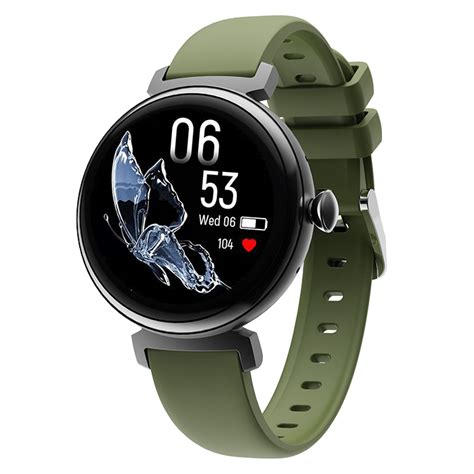
FDA-approved smartwatches are a game-changer, guys! We’re talking about wearable tech that’s not just about telling time or tracking your steps anymore. These devices are being recognized by the U.S. Food and Drug Administration for their ability to monitor key health metrics, which is seriously HUGE. This means the data they collect is considered reliable enough to potentially be used in clinical settings or to help you and your doctor make more informed health decisions. Think about it: your smartwatch could be helping detect irregular heart rhythms like atrial fibrillation (AFib), track blood oxygen levels, or even monitor glucose levels in the future (though this is still a developing area). The FDA approval process is rigorous, ensuring these devices meet strict standards for safety and effectiveness. So, when a smartwatch gets that FDA stamp of approval, it’s a big deal. It signifies a leap forward in making sophisticated health monitoring accessible right from your wrist. We’re moving beyond simple fitness tracking into the realm of
personal health devices
that can provide actionable insights. This opens up possibilities for early detection of conditions, better management of chronic diseases, and a more proactive approach to your overall well-being. It’s pretty wild to think about how far this technology has come and where it’s heading. We’re essentially getting a mini-medical device integrated into something we already wear daily. It’s super exciting for anyone who’s health-conscious or just wants to stay on top of their body’s signals. The implications for telehealth and remote patient monitoring are also massive, allowing healthcare providers to keep tabs on patients outside of traditional clinic visits. This can lead to quicker interventions and potentially better health outcomes for many. So, let’s dive into what this all means for you and what you should look for when considering an FDA-approved smartwatch.## Understanding FDA Approval for SmartwatchesIt’s super important to understand what
FDA approval
actually means when it comes to smartwatches, guys. It’s not like your average phone app getting a thumbs-up; this is a much more serious process. The FDA regulates medical devices, and when a smartwatch or its specific features get approved, it means the device has met stringent standards for
safety and effectiveness
for its intended use. This isn’t just about saying “it works”; it’s about proving it works
reliably
and
safely
for the health claims it’s making. For instance, if a smartwatch claims to detect atrial fibrillation (AFib), it has to undergo rigorous testing to prove that its heart rhythm monitoring is accurate enough to be considered a legitimate tool for screening or early detection. This level of scrutiny means you can have a higher degree of confidence in the data these devices provide, compared to non-approved wearables. The approval process typically involves submitting detailed data from clinical studies to the FDA, demonstrating the device’s performance, reliability, and how it stacks up against established medical standards. They look at everything from the accuracy of the sensors to the algorithms used to interpret the data, and even the user interface to ensure it’s clear and doesn’t lead to misinterpretation. This is crucial because health decisions, big or small, are based on this data. A false positive could lead to unnecessary anxiety and medical tests, while a false negative could mean a serious condition goes undetected. So, when you see that
FDA approval
, especially for specific health features like ECG (electrocardiogram) or blood oxygen monitoring, it signifies that the manufacturer has put in the work to validate their technology as a trustworthy health tool. It differentiates these smartwatches from purely recreational fitness trackers. While fitness trackers are great for general wellness, FDA-approved devices are stepping into the territory of
medical-grade insights
. This doesn’t mean they replace a doctor’s visit or a professional medical diagnosis, but they can certainly be powerful tools to complement healthcare. They empower individuals with more precise information about their bodies, potentially leading to earlier interventions and better management of health conditions. It’s a massive step towards integrating technology seamlessly into proactive health management, making sophisticated health monitoring more accessible than ever before. We’re talking about a future where your everyday device can offer medical-grade insights, helping you stay ahead of potential health issues.## Which Smartwatches Have FDA Approval?Okay, so you’re probably wondering, “Which of these cool gadgets actually have the
FDA approval
we’re talking about?” That’s a super valid question, guys, because not all smartwatches are created equal in the eyes of the FDA. As of now, the most common FDA-approved features you’ll find on smartwatches revolve around
cardiac monitoring
, specifically
ECG (electrocardiogram) capabilities
and
irregular rhythm notifications
, often geared towards detecting signs of AFib (atrial fibrillation). Apple’s smartwatches, particularly the Apple Watch Series (starting from Series 4 and onward), have been pioneers in this space. They have received FDA clearance for their ECG app, which allows users to take an electrocardiogram similar to a single-lead one, and for their irregular rhythm notification feature, which can periodically check your heart rhythm in the background and notify you if it detects potential signs of AFib. Samsung is another big player here. Many of their Galaxy Watch models (like the Galaxy Watch 4 and newer) also boast FDA clearance for features like an
ECG monitor
and a
blood pressure monitor
(though the blood pressure feature often requires calibration with a traditional cuff and may have regional restrictions). The blood pressure monitoring on some smartwatches is a really advanced feature, allowing for regular checks, but it’s essential to remember it’s not a replacement for professional medical devices and often needs periodic recalibration. Other brands are increasingly working towards FDA clearance for their health features. For example, some smartwatches offer
blood oxygen (SpO2) monitoring
, and while this feature itself might not always carry specific FDA approval for
diagnostic
purposes, its inclusion on devices associated with FDA-cleared features can add to the overall health-tracking capability. It’s important to note that FDA approval is often feature-specific. A smartwatch might have FDA clearance for its ECG app but not necessarily for other sensors or metrics it collects. Always check the specific model and its features to confirm what has been cleared by the FDA. Manufacturers are usually very clear about this in their product descriptions or regulatory information. The landscape is constantly evolving, with more companies striving to get their innovative health-monitoring technologies approved. So, while Apple and Samsung have been leading the charge, keep an eye out as more brands enter this space, bringing even more advanced, FDA-cleared health features to your wrist. It’s all about choosing a device that offers the specific health insights you’re looking for, backed by the reliability of regulatory approval.## Benefits of Using an FDA-Approved SmartwatchSo, why should you even care about
FDA approval
when picking out a smartwatch, guys? It boils down to trust, reliability, and actual health benefits. When a smartwatch has FDA clearance for a specific health feature, like an ECG or irregular rhythm notification, it means the device has undergone rigorous testing to ensure it’s
safe and effective
for its intended purpose. This isn’t just marketing fluff; it’s a validation by a serious regulatory body. The primary benefit is
enhanced health monitoring
. Imagine getting an alert about a potential heart rhythm issue like AFib
before
you even feel symptoms. An FDA-approved smartwatch can provide these early warnings, prompting you to seek medical attention sooner. This early detection can be life-saving, guys. For individuals managing chronic conditions, these devices can offer a more reliable way to track vital signs, providing data that you and your doctor can use to make informed treatment decisions. Think about tracking your blood oxygen levels consistently or monitoring your heart rate trends with greater confidence. Another significant advantage is
increased peace of mind
. Knowing that the health data your watch is collecting has been vetted for accuracy and reliability can significantly reduce anxiety associated with health tracking. You’re not just guessing; you’re getting data that has met a certain standard. This accuracy also means
better collaboration with healthcare providers
. Doctors are more likely to trust and utilize data from FDA-approved devices when making diagnoses or treatment plans. This can be particularly beneficial for telehealth, where remote monitoring plays a crucial role. Your doctor can gain valuable insights into your health status between appointments without you needing to be physically present. Furthermore, FDA approval pushes innovation in the wearable tech space. It encourages manufacturers to invest in research and development to create more sophisticated and medically relevant features. This ultimately benefits consumers by making advanced health technology more accessible and integrated into our daily lives. It’s like having a personal health assistant on your wrist, constantly keeping an eye on your well-being, and providing data you can actually act upon or trust your doctor to act upon. It shifts the paradigm from passive tracking to active health management, empowering you to take a more proactive role in your health journey. The convenience factor cannot be overstated either – having these capabilities in a device you already wear daily makes consistent monitoring effortless. It’s a powerful tool for anyone looking to live a healthier, more informed life.## What to Look For in an FDA-Approved SmartwatchSo, you’re convinced that an
FDA-approved smartwatch
is the way to go, but what exactly should you be looking for, guys? It’s not just about grabbing the flashiest gadget; you need to be smart about it. First and foremost,
identify your health needs
. What specific metrics are you interested in monitoring? Are you concerned about heart health and want ECG capabilities? Are you interested in tracking blood oxygen levels? Or perhaps blood pressure? Knowing what you want will help you narrow down your choices significantly. Next,
verify the specific FDA clearance
. Don’t just assume the entire watch is FDA-approved. Manufacturers will typically state which
specific features
have received clearance. Look for mentions of ECG apps, irregular rhythm notifications, blood oxygen monitoring (SpO2), or other relevant medical functionalities. Check the product specifications, the manufacturer’s website, or even the device’s regulatory information. For example, if you want AFib detection, make sure the watch explicitly states it has FDA clearance for irregular rhythm notifications or its ECG app is cleared for such use.
Research the brand and model
. While we’ve mentioned some leading brands like Apple and Samsung, it’s always good to do your own research. Read reviews, but pay close attention to comments regarding the accuracy and reliability of the health features. Look for information on how the FDA clearance was obtained – was it through a 510(k) process or a De Novo classification? Understanding this can give you more insight into the device’s validation. Also, consider the
user interface and companion app
. An FDA-approved feature is only useful if you can easily access and understand the data it provides. A well-designed app that presents your health information clearly, along with historical trends and potential insights, is crucial. It should make it simple to share this data with your doctor if needed.
Battery life and overall usability
are still important factors. A smartwatch that needs charging every day might not be ideal for continuous health monitoring. Think about how the watch fits into your lifestyle. Does it offer the other features you want, like GPS, notifications, and fitness tracking, in addition to its medical capabilities? Finally,
consult your doctor
. Before making a significant purchase based on health features, it’s always a good idea to discuss it with your healthcare provider. They can offer personalized advice on whether a particular device and its features would be beneficial for your specific health situation and how best to integrate the data into your health management plan. They can also help you understand the limitations of these devices. Remember, even with FDA approval, these smartwatches are tools to
aid
in health management, not replace professional medical advice or diagnosis. Choosing wisely ensures you get the most value and reliability from your wearable health tech.## Limitations and What FDA Approval Doesn’t MeanLet’s be super clear, guys:
FDA approval
for a smartwatch is awesome, but it doesn’t mean it’s a magic bullet or a replacement for your doctor. It’s crucial to understand the limitations and what that
