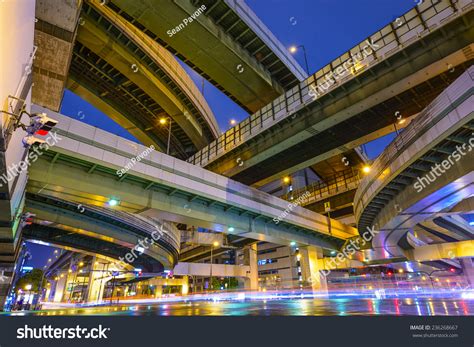
Elevated Highways: Building Roads Above Nature Hey there, folks! Ever looked up at a massive road towering over the landscape, maybe even stretching through a forest, and wondered, “How did they build that, and why?” Well, today, we’re diving deep into the fascinating world of
elevated highways
– those incredible structures that seem to float above the ground, often literally
above nature
. These aren’t just fancy bridges; they’re vital arteries in our modern world, designed to tackle some of the trickiest engineering and environmental challenges we face. It’s a journey into how we connect places while trying our best to coexist with the beautiful planet we call home. We’ll explore everything from their colossal construction to their often-underestimated environmental footprint and the ingenious ways engineers try to minimize it. So buckle up, because we’re about to explore the incredible balancing act of progress and preservation, all seen through the lens of those magnificent, high-flying roadways. These structures, often referred to as viaducts or flyovers, represent a significant leap in infrastructure development, allowing us to overcome geographical barriers and manage increasing traffic demands in ways that traditional ground-level roads simply can’t. The concept of building
roads above nature
or
highways in the sky
isn’t just about convenience; it’s a testament to human ingenuity in adapting to and shaping our environment. From bustling urban centers to serene natural reserves, elevated highways offer solutions that are both practical and, surprisingly, often designed with ecological considerations in mind. We’ll unpack the true meaning of these sky-high pathways, considering their profound impact on daily commutes, economic activity, and, most importantly, the delicate ecosystems beneath them. It’s a complex topic, but hey, we’re here to break it down for you, making sense of these towering giants and their place in our ever-evolving world. Understanding the ‘why’ behind these structures is just as important as understanding the ‘how.’ In many cases, they are a necessary evil, a pragmatic solution to overwhelming urban congestion or a strategic bypass through sensitive areas. It’s truly
wild
when you think about the sheer scale of these projects!## What Are Elevated Highways, Guys? Alright, let’s kick things off by defining what we mean by
elevated highways
. Simply put, these are roads or sections of roads that are built on a raised structure, typically columns or piers, lifting them significantly above the ground. You might know them as viaducts, flyovers, or even just really long bridges, but the core idea is the same: getting traffic off the ground level. Now, why would we go through all that trouble and expense, you ask? Well, there are a bunch of super compelling reasons, folks! First up, and probably the most common one, is dealing with
urban congestion
. Imagine a city choked with cars, bumper-to-bumper, with no space left to build new roads. Elevated highways offer a brilliant solution by creating an
additional layer
of roadway, literally layering our transportation infrastructure. This allows for smoother, faster traffic flow, bypassing intersections and avoiding the mess of ground-level traffic signals. It’s like giving our cities an express lane in the sky! But it’s not just about cities. Elevated highways are also crucial for overcoming
difficult terrain
. Think about mountainous regions, deep valleys, or even vast wetlands. Building a road directly on the ground in these areas would be incredibly challenging, if not impossible, requiring massive earthworks, tunnels, or extensive filling that could devastate the natural landscape. By building
above nature
, we can span these obstacles, creating vital connections where none could exist before. This is where the idea of ‘highway atas pokok’ – or a highway
above trees
– really comes into play, demonstrating how these structures can minimize their footprint on delicate ecosystems below. Furthermore, they play a massive role in
environmental preservation
. Yes, you read that right! While building any road has an impact, sometimes an elevated structure can actually
reduce
the overall environmental damage compared to a ground-level alternative. How so? By elevating the road, we can allow wildlife to pass
underneath
freely, maintain natural water flow, and minimize disturbance to soil and vegetation directly below the structure. This is especially critical in areas with sensitive habitats, like forests, wetlands, or agricultural lands, where preserving the existing ecosystem is paramount. The goal is often to create a minimal
environmental footprint
on the ground, allowing life to continue thriving beneath the concrete giants. They also facilitate
multi-modal integration
, allowing different forms of transport to coexist efficiently. An elevated highway might pass over railways, local roads, or pedestrian walkways, creating a seamless network without constant interruptions. This intricate dance of infrastructure design requires incredible precision and foresight from engineers. From a safety perspective, elevated sections can also reduce the number of conflict points, making journeys safer by separating high-speed traffic from local movements. It’s pretty amazing how these structures, seemingly just big pieces of concrete and steel, solve so many complex problems at once, aiming to keep both our traffic and our natural environments flowing smoothly. The planning and execution behind these projects are nothing short of monumental, involving years of design, environmental impact assessments, and rigorous construction, all to ensure that these
highways in the sky
serve their purpose efficiently and responsibly.## The Environmental Dance: Coexisting with Nature Building any massive piece of infrastructure, especially something as grand as an
elevated highway
, inevitably brings environmental considerations to the forefront. When we talk about highways built
above nature
, or ‘atas pokok’ as the original phrase suggests, the environmental aspect isn’t just a footnote; it’s a central character in the story. It’s a delicate dance between progress and preservation, where engineers and environmentalists often collaborate to minimize harm and sometimes even enhance the surrounding ecosystem. Let’s be real, guys, the initial impact during construction can be significant. There’s noise, dust, habitat fragmentation, and the temporary disruption of local flora and fauna. However, the true genius and often overlooked benefit of elevated designs lie in their potential for
long-term environmental mitigation
. Unlike ground-level roads that act as impermeable barriers, carving through landscapes and completely altering habitats, an elevated structure allows for
continuity
below. One of the most incredible aspects is the facilitation of
wildlife crossings
. Imagine a majestic deer, a busy badger, or even smaller critters needing to get from one part of their habitat to another. A ground-level highway would be an insurmountable, deadly barrier. But with an elevated highway, wildlife can often pass
safely underneath
the structure, maintaining their migratory routes and access to vital resources. Some projects even integrate dedicated wildlife underpasses or overpasses, specially designed with vegetation to guide animals safely across or below the human thoroughfare. This is a game-changer for preserving biodiversity and preventing species isolation. Another critical factor is the maintenance of
natural water flow
. Ground-level roads can act like dams, altering drainage patterns, disrupting wetlands, and leading to flooding or erosion. An elevated highway, supported by widely spaced piers, allows water to flow relatively unimpeded, preserving natural hydrological cycles. This is particularly vital in floodplains, coastal areas, or dense forest ecosystems where water plays a fundamental role in sustaining life. Architects and engineers are increasingly incorporating
permeable surfaces
and sophisticated drainage systems into their designs to manage runoff from the highway itself, ensuring that any water that does reach the ground is treated and channeled effectively, minimizing pollution to nearby streams and rivers. Furthermore, the design of elevated highways can significantly reduce the
permanent land take
. By lifting the road, the land directly underneath can often be used for other purposes – be it green spaces, agricultural fields, or even existing infrastructure. This minimizes the overall
environmental footprint
and preserves valuable natural resources. Architects are now focusing on
sustainable design principles
, using recycled materials where possible, designing for longevity, and even incorporating features like vertical gardens or noise-dampening structures that blend into the landscape. The goal is not just to build a road, but to build a road that
coexists
with its environment, minimizing its visual intrusion and maximizing its ecological benefits. While no human intervention is entirely without impact, the thoughtful design of
elevated highways
represents a powerful attempt to balance our need for connectivity with our responsibility to protect the natural world. It’s an ongoing learning process, but the commitment to greener infrastructure is growing stronger every day, showcasing how these concrete giants can truly be designed as part of a larger ecological mosaic.## Engineering Marvels: Building the
