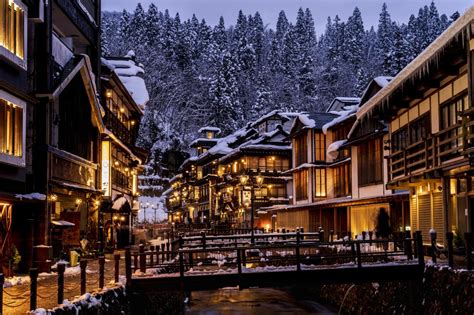
Dive Into Japanese Onsen: Your Ultimate Guide to Relaxation\n\n## Unveiling the Magic of the Japanese Onsen Experience: What You Need to Know\n\nHey there, wellness seekers! Let’s talk about something truly special and utterly unique to Japan: the
onsen experience
. This isn’t just about taking a bath; it’s a profound ritual, a cherished cultural tradition, and an incredible way to find deep relaxation and rejuvenate your body and mind. When we talk about
Japanese hot springs
, we’re diving into a world where nature’s bounty meets centuries of wisdom, creating a sanctuary for both locals and travelers alike. Imagine steeping yourself in mineral-rich waters, often surrounded by breathtaking natural landscapes, feeling the day’s stresses melt away. It’s truly something else, guys. The
onsen experience
is steeped in history, initially used for healing and purification rituals in ancient times, and it has evolved into a cornerstone of Japanese culture. These natural hot springs are found across the archipelago, fed by volcanic activity, and each boasts its own unique mineral composition, believed to offer specific health benefits. From bustling city baths to serene, secluded mountain retreats, the variety is astounding. The Japanese take their bathing seriously, viewing it as a spiritual cleanse as much as a physical one. It’s a moment to connect with nature, with oneself, and often, with friends or family in a serene, respectful environment. Understanding this cultural depth is key to truly appreciating your
onsen experience
. It’s not just a quick dip; it’s an invitation to slow down, be present, and embrace a tradition that has nurtured generations. So, if you’re looking for an escape that promises genuine
relaxation
, incredible
wellness benefits
, and a true taste of Japan, then preparing for an
onsen experience
should be at the very top of your list. We’re talking about a holistic approach to well-being that you won’t find anywhere else, making it an
absolute must-do
for anyone visiting the Land of the Rising Sun. Get ready to transform your understanding of what a ‘bath’ can truly be!\n\n## The Incredible Health and Wellness Benefits of Japanese Hot Springs\n\nAlright, let’s get down to the nitty-gritty of why the
Japanese hot springs
are more than just pretty places to soak; they’re genuine powerhouses for your
health and wellness
. The moment you step into those warm, mineral-rich waters, your body begins to thank you. First off, the heat itself is a natural muscle relaxant, easing tension, soothing sore muscles, and improving blood circulation. This increased blood flow helps deliver vital nutrients to your cells and aids in flushing out toxins, leaving you feeling refreshed and revitalized. Many people, including athletes and those with chronic pain, swear by the
therapeutic benefits
of regular hot spring dips for alleviating discomfort. Beyond the simple warmth, it’s the unique
mineral content
of the
onsen waters
that truly sets them apart. Depending on the location, you might find springs rich in sulfur, iron, radium, sodium bicarbonate, or various other elements, each believed to offer specific benefits. Sulfur springs, for instance, are often lauded for their skin-healing properties, helping with conditions like eczema and psoriasis, and are also thought to promote detoxification. Iron-rich waters can be beneficial for anemia, while bicarbonate springs are famous for leaving your skin feeling incredibly smooth and soft, almost like silk. It’s like a natural spa treatment, guys, but even better!\n\nBut it’s not just about the physical perks. The
onsen experience
offers profound mental and emotional
wellness benefits
too. The serene environment, often surrounded by stunning natural scenery like mountains or forests, encourages mindfulness and stress reduction. Taking time away from the hustle and bustle, disconnecting from screens, and simply
being present
in the warm water can dramatically lower stress levels, reduce anxiety, and promote a sense of inner calm. It’s a fantastic way to practice self-care and achieve a meditative state. The gentle warmth combined with the natural sounds and sights creates an ideal setting for deep
relaxation
and mental clarity. Many find that a good
onsen soak
significantly improves sleep quality, helping them wake up feeling more rested and energetic. So, whether you’re seeking relief from physical ailments, a boost for your skin, or a much-needed mental detox, the
health and wellness benefits
of Japan’s incredible hot springs are undeniable and truly worth exploring. It’s a holistic approach to well-being that nourishes both body and soul, leaving you feeling utterly renewed from the inside out.\n\n## Navigating the Wonderful World of Onsen: Types and Styles\n\nNow that you’re hyped about the
health benefits
, let’s talk about the incredible diversity within the world of
onsen
itself. It’s not a one-size-fits-all situation, guys; there’s a whole spectrum of
onsen experiences
waiting for you to discover! Knowing the
different types of onsen
can really help you choose the perfect spot for your getaway. First up, you’ll encounter the distinction between
rotenburo
and indoor baths. A
rotenburo
is an outdoor hot spring bath, and for many, this is the quintessential
onsen experience
. Imagine soaking under the stars, surrounded by snow in winter, or enveloped by lush greenery in summer – it’s truly magical. Indoor baths, while lacking the open-air charm, often boast impressive architecture, stunning views, and a cozy, intimate atmosphere. Then there’s the question of segregation: most public onsen are gender-segregated, but you might occasionally find
konyoku
(mixed-gender baths), especially in more rustic or traditional settings, though these are becoming rarer. If you’re traveling with family or a partner and prefer privacy, many
ryokan
(traditional Japanese inns) offer
kashikiri
(private rental baths) or rooms with their own private onsen, allowing you to enjoy the hot springs exclusively. This is often seen as the ultimate luxury and a fantastic way to experience
onsen
without any self-consciousness about nudity.\n\nBeyond location and privacy, the
mineral composition
of the water is a huge factor, and this leads to a fascinating array of
mineral water benefits
. As we touched on earlier, each region’s volcanic activity blesses its springs with unique characteristics. You might find
sulfur springs
(iodou-sen), famous for their distinct smell and skin-softening properties, often recommended for skin conditions and detoxification. Then there are
iron springs
(tetsu-sen), which can have a reddish tint and are traditionally believed to help with anemia and circulation.
Alkaline springs
(arukari-sei onsen) are celebrated for their natural exfoliating effect, leaving your skin incredibly smooth – it’s like bathing in natural beauty serum! Carbon dioxide springs (tansan-sen) are known for their tiny bubbles that adhere to the skin, promoting blood circulation. And don’t forget
acidic springs
(san-sei onsen), which can be quite potent and are often used for their strong sterilizing properties. Exploring these
different types of onsen
is part of the adventure. Each one offers a slightly different sensation, a unique set of purported
health benefits
, and a distinct ambiance. Whether you’re seeking a luxurious
ryokan onsen
experience, a rustic
rotenburo
in the wilderness, or a public bath with a specific mineral profile, there’s an
onsen
out there perfectly suited for your desires, making every visit a fresh and exciting discovery in your journey towards
relaxation
and
wellness
.\n\n## Onsen Etiquette for First-Timers: Bathe Like a Pro, Guys!\n\nOkay, listen up, because understanding
onsen etiquette
is super important for enjoying your experience and showing respect for this deep-rooted Japanese tradition. No worries, though, it’s not rocket science, and once you get the hang of it, you’ll be bathing like a pro! The golden rule is cleanliness before entering the main bath. Seriously, this isn’t just a suggestion; it’s a non-negotiable part of the
onsen experience
. Before you even think about stepping into the communal hot spring, you
must
thoroughly wash and rinse your body at the designated washing stations. These stations usually consist of a small stool, a bucket, a showerhead, and sometimes soap and shampoo. Sit down, soap up, scrub away, and make sure all suds are completely rinsed off your body. You’ll often see locals using a small washcloth for this – that’s your cue! The goal is to enter the main bath completely clean, ensuring the water remains pristine for everyone. And here’s another big one:
no swimwear
is allowed in traditional, gender-segregated onsen. Yes, you heard that right – you’ll be bathing in your birthday suit. It might feel a bit awkward at first, especially for
first-timers
, but trust me, everyone else is doing it, and it’s completely normal and unsexualized in this cultural context. Just embrace it, guys; it’s part of the authentic
onsen experience
. If you’re self-conscious, look for a
ryokan
with private onsen or explore options with
kashikiri
baths. For those with
tattoos
, this can be a bit tricky. Traditionally, tattoos were associated with yakuza, and many onsen (especially public ones) still ban them. However, more tourist-friendly or modern onsen are becoming lenient, sometimes allowing smaller tattoos if covered with a bandage. Always check the establishment’s policy beforehand to avoid awkward situations. Some places will have clear signs, and it’s always better to ask if you’re unsure. Remember, the key here is respect for the rules and for your fellow bathers.\n\nOnce you’re thoroughly clean and ready to enter the main bath, there are a few more points of
onsen etiquette
to keep in mind. First, be mindful of noise levels. Onsen are places of
relaxation
and serenity, so keep your voice down and avoid boisterous behavior. This isn’t a swimming pool for splashing around! Your small modesty towel (face towel) can be brought into the bathing area, but it should
never
touch the bathwater. Instead, place it on your head or on the side of the bath. It’s also used for patting yourself dry before heading back to the changing room. Definitely
do not
bring your large bathing towel into the bath area; leave that in the changing room. Also, refrain from bringing any soap, shampoo, or other toiletries into the main bathing area. All washing should be done at the washing stations
before
entering the communal bath. Lastly, when you exit the bath, give yourself a quick rinse with fresh water from a tap or shower to remove any lingering minerals, and remember to dry off as much as possible with your small towel before re-entering the changing room. Following these guidelines ensures a pleasant and respectful
onsen experience
for everyone. It’s all about embracing the local customs and immersing yourself fully in this wonderful Japanese tradition of
wellness
and
relaxation
. You’ll be navigating the baths like a seasoned
onsen
veteran in no time, building confidence with each soothing soak.\n\n## Crafting Your Perfect Onsen Getaway: Tips for Planning\n\nAlright, you’re sold on the
onsen experience
and now you’re itching to plan your own. Fantastic! Let’s talk about
crafting your perfect onsen getaway
, because a little bit of planning goes a long way in maximizing your
relaxation
and enjoyment. The first step is choosing your destination, and Japan is absolutely brimming with incredible
onsen
towns and resorts, each with its own charm and unique atmosphere. Popular spots include
Hakone
, easily accessible from Tokyo and known for its stunning views of Mount Fuji;
Beppu
, on Kyushu island, famous for its sheer abundance of hot springs and unique
