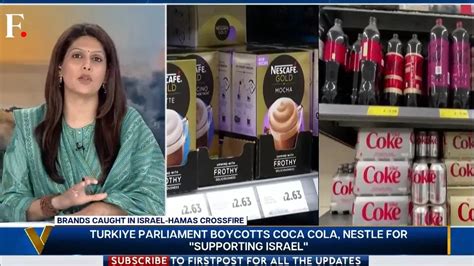
Coca-Cola & Boycotts: What Consumers Need to Know Guys, have you ever found yourself scrolling through social media or chatting with friends, and suddenly the question pops up:
“Is Coca-Cola part of the boycott list?”
It’s a really common query, and honestly, in today’s world, it’s more important than ever to be an informed consumer. There’s a lot of chatter out there, and it can be tough to separate fact from fiction when it comes to major brands like Coca-Cola. This article is all about diving deep into that very question, exploring the reasons why a brand like Coke might find itself in the crosshairs of
boycott movements
, and helping you understand the bigger picture so you can make your own informed decisions. We’re going to break down what a
boycott
truly means, look at some of the historical and ongoing discussions surrounding Coca-Cola, and give you the lowdown on how to navigate these complex waters. It’s not just about a simple ‘yes’ or ‘no’ answer; it’s about understanding the nuances, the various perspectives, and the impact our choices have. So, if you’re curious about the
Coca-Cola boycott status
and want to become a more conscious shopper, stick around. We’ll explore the claims, the company’s responses, and ultimately, empower you to decide what feels right for you and your values. We’re talking about everything from ethical sourcing and environmental impact to labor practices and political affiliations, all through the lens of one of the world’s most iconic beverage companies. It’s a deep dive, but we’ll keep it casual and easy to understand, because figuring out where your money goes shouldn’t feel like a chore. Let’s get into it and explore the dynamic landscape of
consumer advocacy
and
corporate responsibility
together. This isn’t just about a drink; it’s about the values behind the brands we support every single day. We’ll explore various reasons why different groups might call for a
Coca-Cola boycott
, ranging from very specific incidents to broader concerns about global corporate practices. Understanding these different facets is key to grasping the full picture and making truly educated choices.### Understanding Boycotts: Why Do They Happen?Alright, before we get into the specifics of the
Coca-Cola boycott list
, let’s chat about boycotts themselves. What are they, why do people do them, and what kind of power do they really hold? At its core, a
boycott
is simply a refusal to buy, use, or participate in something as a form of protest. It’s a powerful tool for consumer activism, guys, giving everyday people a voice against corporate practices or policies they disagree with. Think of it as voting with your wallet – or, in this case,
not
voting with your wallet. Historically, boycotts have been instrumental in pushing for significant social and political change, from the Montgomery Bus Boycott in the Civil Rights movement to various campaigns against apartheid. The idea is that if enough people stop buying a product or service, the company will feel the economic pinch and be forced to address the concerns raised. So, why do people initiate boycotts, especially against massive corporations like Coca-Cola? The reasons are diverse, complex, and often deeply personal.
Environmental concerns
are a huge one. This could involve issues like excessive plastic waste, unsustainable water usage in drought-prone regions, or a company’s carbon footprint. Then there are
labor practices
, which can range from concerns about fair wages and safe working conditions to allegations of child labor or exploitative practices in global supply chains. Political and ethical stances also play a significant role. Consumers might boycott a company due to its perceived political affiliations, its support for certain legislation, or its involvement in controversial international issues. Other reasons include allegations of
human rights abuses
, lack of diversity or inclusion within the company, animal welfare issues, or even simply a product’s health impacts. For a company as ubiquitous as Coca-Cola, operating in nearly every country globally, the sheer scale of its operations means it touches upon all these areas. It’s like, the more visible and widespread a company is, the more likely it is to be scrutinized from multiple angles. When we talk about a
Coca-Cola boycott
, we’re often talking about a collection of different movements and groups, each with their own specific grievances and goals. It’s rarely one single, unified ‘boycott list’ that everyone subscribes to, but rather various calls for action stemming from different ethical or moral standpoints. Understanding these underlying motivations is crucial for any consumer trying to figure out if they align with the reasons behind a particular
boycott movement
. It’s about more than just the fizzy drink; it’s about the entire ecosystem of production, distribution, and corporate governance. The weight of consumer choice, when wielded collectively, can be a force for genuine change, compelling even the largest global entities to re-evaluate their practices and adapt to an evolving landscape of
social responsibility
and
ethical consumption
.### The Specifics: Is Coca-Cola on
The
Boycott List?Okay, so now that we’ve got a handle on what boycotts are all about, let’s get down to the nitty-gritty:
Is Coca-Cola currently on a widely recognized or unified ‘boycott list’?
The short answer, guys, is that there isn’t one single, official, global boycott list that every consumer group or activist adheres to. However, various organizations, activist groups, and individuals have, at different times and for different reasons, called for a
boycott of Coca-Cola products
. It’s a complex picture, and it’s important to look at the specific concerns that have driven these calls. One of the most long-standing areas of contention for Coca-Cola has been
environmental impact
, particularly around
plastic pollution
. As a massive producer of single-use plastic bottles, the company has faced significant criticism for its contribution to global waste. Environmental groups often highlight the immense volume of plastic generated by beverage companies, urging consumers to
boycott products
from brands that don’t transition quickly enough to sustainable packaging or robust recycling programs. This concern is often at the forefront of discussions around a potential
Coca-Cola boycott
. Beyond plastics, water usage is another major issue. Coca-Cola operates bottling plants in many regions, and some have faced accusations of
unsustainable water extraction
in areas already experiencing water scarcity, especially in countries like India and Latin America. These allegations often lead to local community-led boycotts and protests, emphasizing the direct impact on residents’ access to vital resources. From a
labor rights
perspective, Coca-Cola has also faced scrutiny. Over the years, there have been accusations of anti-union activities, poor working conditions, and even violence against union organizers in some of its international bottling facilities, particularly in countries like Colombia and Guatemala. While Coca-Cola has often denied these specific allegations or stated commitment to fair labor practices, these claims have fueled calls for a
boycott of Coca-Cola
from labor advocacy groups and human rights organizations. More recently, political and social issues have also led to calls for a
Coca-Cola boycott
. Depending on the global political climate, a company’s perceived association with certain governments, or its stance (or lack thereof) on major social justice issues, can lead to consumer backlash. For instance, in some conflicts or geopolitical disputes, companies operating in certain regions might find themselves unwittingly drawn into
boycott movements
initiated by groups on opposing sides. It’s like, a company that operates globally is almost inevitably going to find itself navigating a minefield of local and international sensitivities. So, while there isn’t one universal
Coca-Cola boycott list
hanging in a digital hall of shame, it’s clear that the company has been, and continues to be, a target for various
boycott initiatives
stemming from a wide array of legitimate concerns. For any conscientious consumer, understanding these specific issues is key to deciding whether a
boycott of Coca-Cola
aligns with your personal values and ethical framework. These aren’t just whispers; they are often well-documented claims from credible organizations, making the question of a
Coca-Cola boycott
a relevant and ongoing discussion.### Diverse Perspectives and Complex RealitiesAlright, so we’ve seen that while there isn’t one
single global boycott list
for Coca-Cola, there are definitely multiple groups and reasons behind calls for a
Coca-Cola boycott
. But it’s super important to remember that these situations are rarely black and white. It’s a complex world out there, and huge global companies like Coca-Cola operate within a pretty intricate web of economic, social, and environmental factors. When we talk about diverse perspectives, we’ve got to consider the company’s side of the story and the actions they take. Coca-Cola, like any major corporation, is keenly aware of its public image and the growing importance of
Corporate Social Responsibility (CSR)
. They often publish extensive reports detailing their efforts in areas like
sustainability
, water stewardship,
community engagement
, and
labor standards
. For instance, in response to plastic pollution concerns, Coke has invested heavily in
recycling initiatives
, explored alternative packaging, and set ambitious targets for collecting and recycling bottles. On the water front, they’ve often highlighted their efforts to replenish water used in their production processes and support watershed conservation projects. When allegations of labor abuses arise, the company typically issues statements affirming its commitment to human rights and ethical labor practices, often pointing to independent audits and supply chain monitoring programs. They’ll emphasize their
codes of conduct
that apply to all their suppliers and bottlers worldwide. These are significant efforts, and it’s essential for consumers to weigh these against the criticisms. It’s not always about dismissing the claims outright, but rather understanding the ongoing dialogue and the measures a company is taking to address issues. This is where the reality gets really nuanced, guys. For many consumers, the convenience and widespread availability of
Coca-Cola products
can make participation in a
boycott
challenging. It’s in almost every store, restaurant, and vending machine. Plus, for millions of people worldwide, Coca-Cola is a source of livelihood – from farmers supplying ingredients to bottling plant employees and delivery drivers. A
boycott
can have real economic consequences for these individuals, which is another layer of complexity. Furthermore, sometimes a
boycott
might be driven by specific political stances that not all consumers agree with. For example, some might support a country where Coca-Cola operates, while others might oppose it, leading to conflicting views on whether to
boycott
the brand. This highlights that what constitutes an ‘ethical’ choice can be deeply personal and varied. So, when you’re thinking about whether to join a
Coca-Cola boycott
, it’s not just about what you read on social media. It’s about looking at the full picture: the criticisms, the company’s responses and actions, the broader economic impact, and your own personal values. It’s about recognizing that there’s no single ‘right’ answer for everyone, and informed choices often come from considering all these diverse perspectives and the very complex realities of global business. The sheer scale and global reach of a brand like Coca-Cola mean that it’s constantly under the microscope, and its actions, both positive and negative, are amplified across diverse cultures and communities.### Navigating Consumer Choices: What Does It Mean for You?Okay, guys, we’ve covered a lot of ground. We’ve talked about why boycotts happen, the specific reasons why
Coca-Cola
has been targeted by various
boycott movements
, and the complex realities that surround a global giant like them. So, what does all this mean for
you
as a consumer? How do you navigate this landscape and make choices that align with your values? First and foremost, the most powerful tool you have is
information
. Don’t just rely on headlines or social media posts. If you’re wondering if
Coca-Cola is on a boycott list
for a specific reason, do your own research! Look up the claims, read reports from reputable non-profits and investigative journalists, and check out Coca-Cola’s official corporate social responsibility reports. Understanding both sides of the story, or even multiple sides, is key to making an informed decision. Remember that a
boycott
isn’t a one-size-fits-all solution, and the ‘boycott list’ isn’t a universally agreed-upon document. It’s a collection of calls to action from various groups with specific grievances. Your personal values should be your compass here. What issues matter most to you? Is it environmental sustainability, labor rights, human rights, or something else? If a particular
Coca-Cola boycott
aligns with your deeply held beliefs, then participating might be the right choice for you. It’s about
conscious consumption
and making your spending habits reflect your ethics. For example, if plastic waste is your biggest concern, you might choose to
boycott Coca-Cola
until you see significant shifts in their packaging strategy, or you might opt for their products sold in glass bottles or aluminum cans, which are more easily recyclable. If labor rights are your focus, you might research specific allegations and the company’s response to them, and base your decision on that. It’s also perfectly valid to acknowledge the complexities and decide that a full
boycott of Coca-Cola
isn’t feasible or necessary for you. You might choose to engage in other forms of advocacy, like contacting the company directly with your concerns, supporting organizations that are working on these issues, or simply making more mindful choices in other areas of your life. Every little bit helps, and it’s about what you can genuinely commit to. The power of collective action through
boycotts
is undeniable, but so is the power of individual, informed choice. Your decision to buy or not buy a
Coca-Cola product
is yours alone, and it should be a reflection of your own research and values. By staying informed, asking critical questions, and aligning your purchases with what matters most to you, you become a more powerful and effective consumer. This conversation about
Coca-Cola and boycotts
is ultimately a prompt for all of us to be more engaged and thoughtful about the brands we support and the impact they have on the world. Keep learning, keep questioning, and keep making choices that you can feel good about.### ConclusionAlright, folks, we’ve reached the end of our deep dive into the question:
“Is Coca-Cola part of the boycott list?”
We’ve learned that while there isn’t a single, definitive
Coca-Cola boycott list
universally recognized, the company has indeed faced, and continues to face, various calls for
boycotts
from different groups. These calls stem from a diverse range of legitimate concerns, including environmental impact, especially plastic pollution and water usage, as well as labor practices and broader social and political issues. We’ve also explored the complex reality of a global corporation, acknowledging Coca-Cola’s efforts in
Corporate Social Responsibility
and the economic implications of
boycott movements
. Ultimately, the decision to participate in a
boycott of Coca-Cola
or any other brand rests firmly with you, the consumer. The most important takeaway here is the power of
informed choice
. By staying educated, understanding the nuances, and aligning your purchasing decisions with your personal values, you contribute to a more conscious and accountable marketplace. So, whether you choose to enjoy a Coca-Cola product or opt for an alternative, do it with an understanding of the bigger picture. Your choices, however small they may seem, collectively shape the world we live in. Keep asking questions, keep researching, and keep being an awesome, informed consumer!
