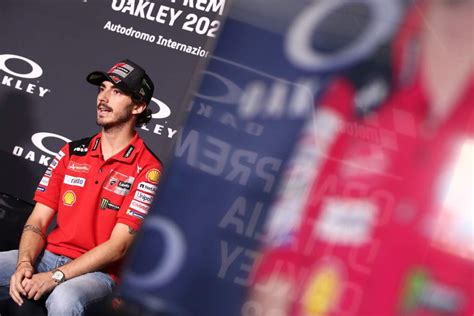
Bagnaia Injury Status: Latest Updates & Recovery\n\n## Unraveling Francesco Bagnaia’s Injury: The Latest Buzz\n\nHey guys, let’s dive straight into something that’s been on every MotoGP fan’s mind:
Francesco Bagnaia’s injury
. You know, when a champion rider like Pecco hits the deck, it’s not just a bump in the road; it sends shockwaves through the entire paddock and among us passionate fans. Everyone’s been asking, “Is Bagnaia okay?” and “What’s the latest on his recovery?” Well, buckle up, because we’re going to break down everything we know about
Francesco Bagnaia’s injury status
, from the dramatic incident itself to his challenging road back to full fitness. We’ll cover the details, the medical assessments, and what this all means for his title defense and the thrilling MotoGP championship. It’s a journey filled with uncertainty, determination, and the sheer will of a top-tier athlete to get back on his Ducati and fight for glory. We understand how crucial this information is for all of you following the sport, and we’re committed to giving you the most comprehensive and engaging update possible. This isn’t just about statistics; it’s about the human element of racing, the risks, and the incredible resilience these riders show us every single race weekend. So, let’s get into the nitty-gritty of Pecco’s situation and what we can expect as he navigates this tough period away from the track. We’ll explore how his absence, even if temporary, affects the dynamic of the championship, the strategies of his rivals, and the overall narrative of the season. The world of MotoGP is constantly evolving, and injuries, unfortunately, are a part of the high-stakes game. Understanding the specifics of Bagnaia’s condition, the
timeline for his return
, and the
implications for his team, Ducati
, is essential for anyone following the sport closely. We’re here to give you the inside scoop, the insights, and the friendly chat you need to stay fully informed and engaged with the MotoGP world. Let’s get to it!\n\n## The Incident: What Happened to Francesco Bagnaia?\n\nAlright, let’s rewind a bit and talk about the moment that caused all this concern: the
Francesco Bagnaia injury
incident itself. It all went down during the
Catalan Grand Prix
at the Circuit de Barcelona-Catalunya. Picture this: it was a tense race, early laps, and riders were fighting for position, pushing the limits as they always do. Then, in a truly terrifying sequence of events, our main man, Bagnaia, had a high-side crash coming out of Turn 2. For those unfamiliar, a high-side is one of the most violent types of crashes a rider can experience. It happens when the rear wheel loses traction, then suddenly regains it, violently throwing the rider over the handlebars. In this particular instance, what followed was even more horrifying. As Pecco lay on the track, vulnerable, several riders behind him narrowly avoided contact. Unfortunately, Brad Binder, unable to fully react or change his line in time, accidentally ran over Bagnaia’s leg. It was a heart-stopping moment that silenced the crowd and sent immediate shivers down the spine of everyone watching, both at the circuit and at home. The race was immediately red-flagged, a clear indication of the severity and seriousness of the situation. Medical teams were on the scene in an instant, a testament to the swift and professional safety protocols in MotoGP. The sight of Pecco being carefully attended to by the medical staff, clearly in pain but conscious, was a relief, but the extent of the
Francesco Bagnaia injury
was still very much unknown. The initial reports from the trackside medical center were crucial, providing the first glimpse into his condition. We were all holding our breath, hoping for the best but fearing the worst, given the nature of the impact. This incident underscored, once again, the incredible dangers these riders face every time they swing a leg over those powerful machines. It’s not just about speed; it’s about precision, quick reflexes, and often, sheer luck in avoiding catastrophic outcomes. The bravery of these athletes, including Bagnaia, to get back on the bike after such events, is truly awe-inspiring. This specific crash will undoubtedly be remembered as a pivotal moment in the championship, not just for Pecco, but for the entire competitive landscape. We’re talking about a world champion here, guys, and seeing him in such a vulnerable position was a stark reminder of the fragile balance between triumph and tragedy in motorsport. The immediate aftermath saw a flurry of activity, with team members, rival riders, and officials all anxiously awaiting news. The very air at the circuit was thick with concern, a palpable sense of worry for one of their own. It was a moment that transcended team loyalties and rivalries, uniting everyone in a shared hope for Bagnaia’s well-being. This was truly a defining moment, and understanding it is key to grasping the full scope of his current situation and the subsequent challenges he faces in his
Bagnaia recovery
. This crash not only tested his physical limits but also his mental fortitude, pushing him to confront the inherent risks of his chosen profession head-on. \n\n### The Catalan Grand Prix Crash Details\n\nDigging a bit deeper into the
Catalan Grand Prix crash
, the incident unfolded on lap one, a critical and often chaotic period in any MotoGP race. Riders are jostling for position, tires are still warming up, and adrenaline is pumping at an all-time high.
Francesco Bagnaia
was leading, demonstrating his typical front-running prowess, when his Ducati GP23 unexpectedly high-sided. This wasn’t just a simple slide; it was a violent expulsion from the saddle, launching him high into the air before he landed heavily on the tarmac. The location, Turn 2, is a relatively fast corner, adding to the danger. When a rider is separated from their bike at such speeds, the impact with the ground can be immense, and the risk of being hit by other bikes is tragically high. The slow-motion replays, while difficult to watch, showed just how quickly and unpredictably these things can happen. The bike itself tumbled violently, shedding parts, but the real concern was Pecco. He was left in the middle of the track, in a highly exposed position, with a stream of bikes approaching at speed. It was a nightmare scenario for any rider, team, or fan. The fact that the red flag was deployed almost immediately speaks volumes about the perceived danger and the clear need to ensure the rider’s safety above all else. This quick action by race control is a testament to the safety protocols in place, though it doesn’t diminish the terror of the moment. The severity of the crash was undeniable, and the sight of Brad Binder making contact, however unintentionally, was truly chilling. It’s a testament to the competitive nature of MotoGP that riders are so close together, but it also amplifies the risks when something goes wrong. Every millisecond counts in those situations, and even the most experienced riders have little time to react when a fellow competitor goes down directly in front of them. The sheer force involved in such an impact, both from the high-side itself and the subsequent contact, meant that a serious
Francesco Bagnaia injury
was almost inevitable. The event cast a long shadow over the race weekend, with everyone’s thoughts immediately turning to Pecco’s well-being. It was a sobering reminder of the razor-thin margins between success and a serious setback in the world of high-speed motorcycle racing. The incident became a talking point not just about the dangers, but also about the incredible bravery of these athletes who, despite witnessing such events, continue to push the boundaries of what’s possible on two wheels. The sheer drama and the profound concern for Bagnaia’s health were central to the entire weekend’s narrative, reshaping expectations and reminding us all of the raw, untamed nature of this sport. The details of this crash are critical for understanding the subsequent medical assessments and the challenges he faces in his
Bagnaia recovery
. It truly highlighted the perils and inherent dangers associated with competitive MotoGP racing, emphasizing the constant risks these exceptional athletes willingly embrace for their passion and the pursuit of victory.\n\n### Immediate Aftermath and Medical Attention\n\nIn the immediate aftermath of the crash, the scenes were a mix of organized chaos and profound concern. As the red flags waved, signaling an immediate halt to the race, the medical teams were already in motion, sprinting towards
Francesco Bagnaia
who lay motionless for a few terrifying seconds. Thankfully, he was quickly assessed to be conscious, which was the first big sigh of relief for everyone involved. The medical staff, highly trained for such high-stakes emergencies, performed initial checks on the track. They focused on stabilizing him and assessing any obvious injuries. The live TV coverage, though respectful, showed the intensity of the situation as multiple medical personnel attended to him, carefully lifting him onto a stretcher. The concern was particularly focused on his legs, given the contact with Binder’s bike. He was then swiftly transported to the circuit’s medical center for more thorough examination. Inside the medical center, a more detailed assessment began. This is where the initial diagnoses of his
Francesco Bagnaia injury
started to take shape. They would have performed basic neurological checks, checked for fractures, and monitored his vital signs. The priority was to rule out any life-threatening injuries first. Soon after, the first reports started to trickle out, offering some initial comfort amidst the anxiety. While the full extent of the injuries was still being determined, the good news was that there were no immediate major fractures or severe trauma to his spine or head, which are always the biggest fears in such high-speed incidents. However, it was confirmed that he had sustained multiple contusions, particularly around his legs, suggesting a significant impact. The subsequent step involved transporting Bagnaia to a local hospital for more advanced diagnostic imaging, such as X-rays and potentially CT scans or MRIs. These scans are crucial for providing a definitive picture of the internal damage, specifically to rule out hairline fractures, ligament damage, or any other hidden injuries that might not be immediately apparent. The efficiency and professionalism of the MotoGP medical team and the local hospital staff played a critical role in ensuring Pecco received the best possible care from the very first moment. This rapid response is a cornerstone of MotoGP’s safety protocols and undoubtedly contributed to the positive initial outlook despite the severity of the crash. The initial updates from the hospital were eagerly awaited by his team, family, and the global fanbase. This entire sequence, from the crash to the hospital, highlights the robust safety infrastructure within MotoGP, designed to protect these incredible athletes as much as humanly possible when the unforeseen happens. Even with all the precautions, the inherent risks remain, and it’s in these moments that the true value of exceptional medical support becomes strikingly clear, ensuring the best possible start to any
Bagnaia recovery
journey. The quick and decisive actions of everyone involved, from race control to the trackside medics, were absolutely instrumental in stabilizing the situation and paving the way for his eventual recuperation. It’s a testament to the robust and well-oiled machine that is MotoGP safety, always ready to spring into action when needed most. \n\n## Francesco Bagnaia’s Injury Assessment: The Medical Report\n\nAlright, let’s get down to the specifics of the
Francesco Bagnaia injury
as confirmed by the medical professionals. After the initial assessment at the circuit’s medical center, Pecco was transferred to the Dexeus University Hospital in Barcelona, a facility renowned for its expertise in sports medicine. This is where the more detailed diagnostic process began, involving comprehensive X-rays and scans. The good news, and believe me, we all let out a huge collective sigh of relief, was that the tests
ruled out any fractures
. This was absolutely paramount, especially given the severity of the impact and the terrifying moment when his leg was run over. Fractures, particularly in weight-bearing bones like the tibia or fibula, would have significantly lengthened his recovery time and potentially put his entire season in jeopardy. So, no broken bones was a massive win! However, while there were no fractures, the medical reports did confirm that
Bagnaia
sustained
multiple contusions and abrasions
, particularly on his right leg. Contusions, essentially deep bruises, mean that there’s significant damage to the muscle tissue and blood vessels beneath the skin. Abrasions are skin scrapes, which can be painful but typically heal more quickly. The doctors described his condition as
